
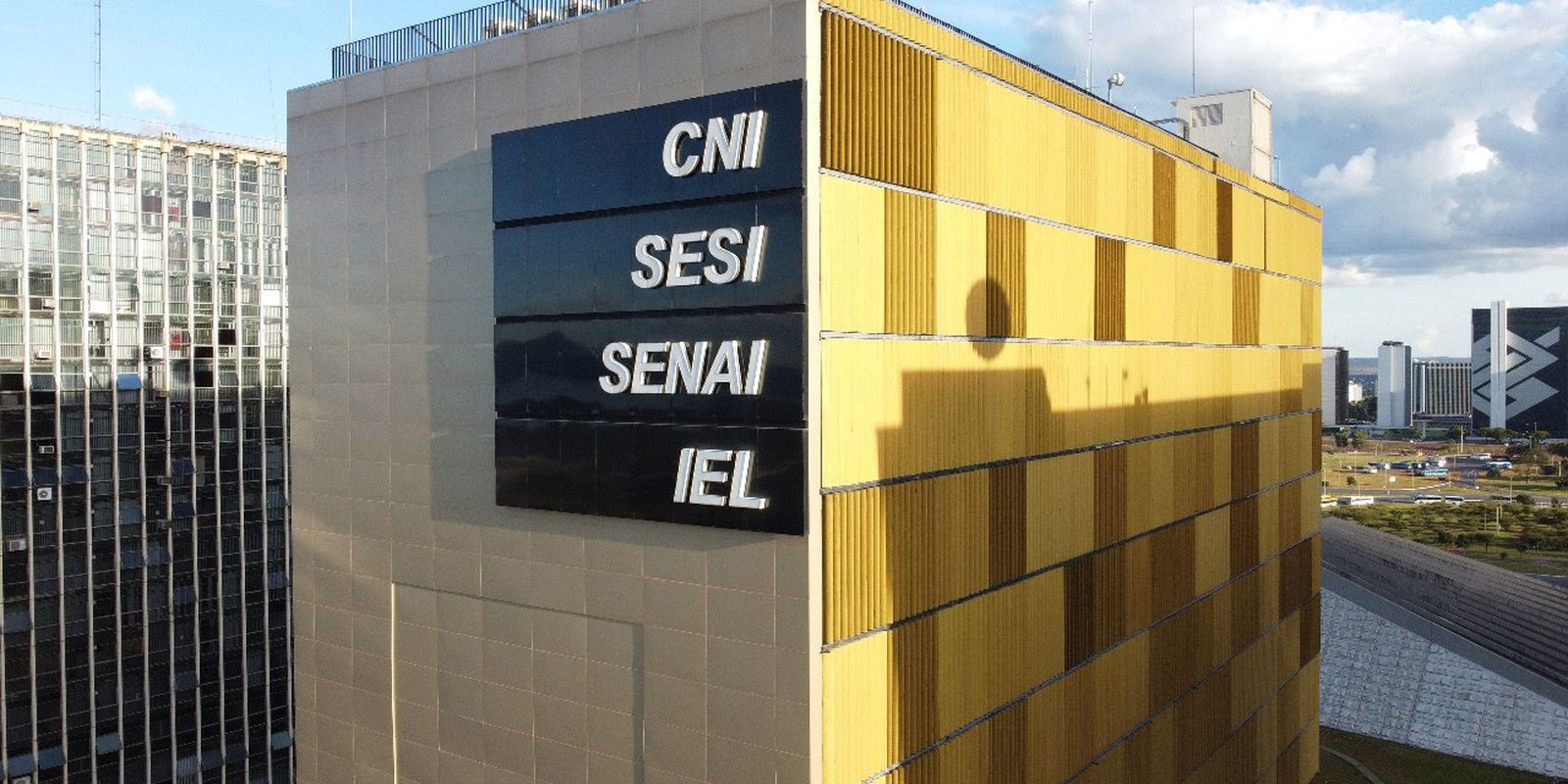
The National Confederation of Industry (CNI) and the National Confederation of Trade in Goods, Services and Tourism (CNC) filed a lawsuit with the Federal Supreme Court (STF) this Wednesday (4) to suspend the end of the 6x1 work schedule.
In the lawsuit, the CNI argues that Constitutional Amendment 141 of 2026, promulgated by the National Congress last month, violates legal certainty, economic freedom and collective labour autonomy.
The confederation also contends that the end of the schedule will affect existing labour agreements reached between companies and workers.
“The collective bargaining conventions and agreements in force must remain fully effective until the regular expiry of their terms or until new autonomous collective bargaining takes place,” the CNI states.
On the financial impact, the CNI said that the reduction in working hours, combined with the extension of weekly rest without loss of pay, will raise the cost of formal industrial labour by 11.1%, equivalent to R$ 88 billion.
The confederation noted that many industrial sectors operate continuously and have always depended on collective bargaining to set rest arrangements. “The viability of these factories has always depended as much on collective bargaining over compensatory schemes with multi-month or annual cycles as on the legal provision for differentiated work and cumulative rest regimes,” the entity added.
The CNC, for its part, said it intends to postpone the start of the reduction in working hours to October 2027. The new working hours are due to take effect on 15 December this year.
End of the 6x1 schedule
In a historic decision, the Federal Senate approved the end of the 6x1 work schedule last month. As a result, workers will have two paid rest days per week, within a maximum schedule of 5x2, without a reduction in salary. In addition, the current working week will fall from 44 to 40 hours, with a 14-month transition rule.
The measure was approved with votes from both the government base and the opposition. The text had already been approved by the Chamber of Deputies.
The end of the schedule was welcomed by workers' representative organisations. For them, the new schedule will allow workers more time with their families and to devote themselves to other activities and studies.
A Nexus poll conducted in February this year found that 73% of Brazilians support ending the 6x1 schedule.
Labour and Employment Minister Luiz Marinho said the decree regulating the end of the schedule is expected to be published next Monday (9). The text will set guidelines for organising working hours and guarantee workers at least eight days off per month. According to Marinho, the decree will coordinate the adoption of the different work schedules across economic sectors, without compromising employees' rights or the functioning of companies.