
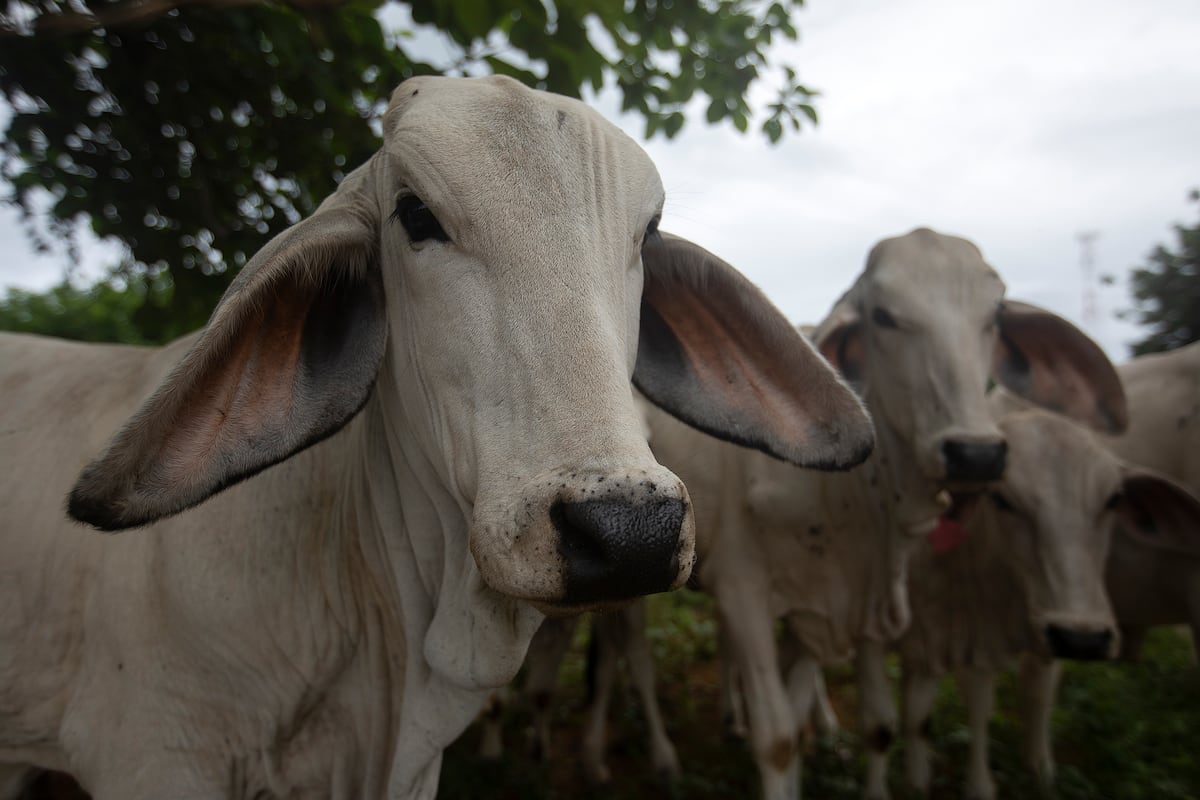
The effects of the seismic movements are also being felt in the livestock sector, an activity on which hundreds of families in the affected communities depend.
Nearly two weeks after the October 9 earthquake, there are families in the interior of the country still sleeping in tents, workers who remain on alert because of aftershocks, and milk producers who, despite the difficulties, keep getting up every morning to milk their cows.
In Macaracas, in Los Santos province, the effects of the seismic movements are also being felt in the livestock sector, an activity on which hundreds of families in the affected communities depend.
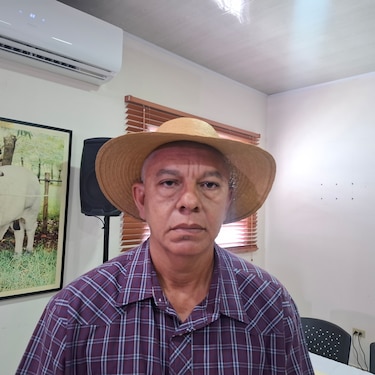
Paulino Vásquez, dairy producer from Macaracas.
Paulino Vásquez, a dairy producer from Azuero, knows this situation firsthand. He said his farm is about 14 kilometres from the earthquake's epicentre and that, in one area of his land, the earthquake has caused cracks.
“People are pushing forward. After their houses have collapsed, they are sleeping in tents and living outdoors.”
The producer explained that, although livestock activity continues, the conditions in which they work have changed considerably. Fear of new tremors and difficulty resting have affected those who live in these communities both physically and emotionally.
“This has hit us very hard, psychologically and physically. We don't sleep, our people don't sleep, they don't rest.”
In addition to these difficulties, landslides and problems crossing some rivers have, according to dairy associations, also caused production losses.
Dairy producers in Azuero
At a press conference held on Thursday, October 22, by the National Association of Ranchers of Panama (Anagan), representatives of the association reported that Panama has approximately 2,750 grade C milk producers, of whom about 2,400 are concentrated in the Azuero peninsula, one of the regions affected by the earthquake.
Although they said they do not yet know exactly how many producers suffered direct damage to their farms and homes, the representatives warned that the consequences of this seismic event add to the difficulties that ranchers were already facing due to phenomena such as El Niño.
According to estimates presented by Proleche, the dairy sector has a direct economic impact on more than 15,000 people and an indirect impact on some 60,000.
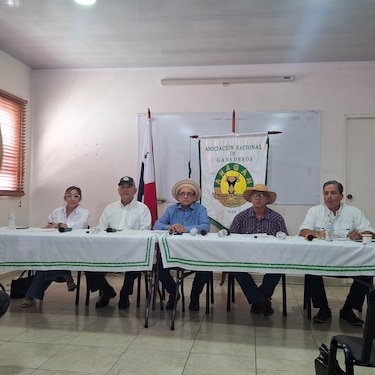
Press conference held by Anagan.
Following the same line, Ricardo Pérez, president of the National Association of Milk Processors (Anaprole), explained that, after gathering information from the companies that are members of the association, it was estimated that some 10,000 litres of milk may have been affected, mainly because of transport difficulties between collection centres and processing plants due to the condition of the roads.
However, he also said he was surprised to see that the day after the earthquake they received milk from the central provinces of the country, and stated that on that same day, October 10, among the companies consulted, milk reception and collection had already become relatively stable.
The leader also revealed that dairy companies disbursed more than US$2.5 million in Azuero during the most recent fortnight, funds that, he explained, circulate in the local economy thanks to producers' activity. For Pérez, these figures reflect the importance of maintaining dairy production in a region where many families depend on this activity for their income.
State-purchased cheese
During the conference, sector representatives explained that the state purchase of cheese, which has been questioned in recent days, is not an action that arose after the earthquake. Instead, it is an alternative to prevent milk producers from suffering losses during the months of highest production, when processing plants do not have enough capacity to process and market all the milk they receive.
According to the associations, the arrangements began between February and March 2026, the formal request was submitted to the Ministry of Agricultural Development (MIDA) in June, and the budget transfer was approved in August, before the October 9 earthquake.
2,400
Dairy producers
Concentrated in the Azuero peninsula, one of the regions affected by the earthquake.
10,000
Litres of milk
The volume that may have been affected after the earthquake, mainly because of transport difficulties between collection centres and processing plants, according to Anaprole.
2.5
Million
The amount dairy companies disbursed in Azuero during one fortnight, according to Ricardo Pérez, president of Anaprole.
They revealed that through this mechanism the Agricultural Marketing Institute (IMA) buys cheeses made with national milk to sell them at affordable prices. This allows processors to free up capacity and continue buying milk from ranchers, avoiding cuts in reception and possible reductions in the prices paid to producers.
They also stated that one of the purchase orders covered 27,000 units of white cheese, roughly equivalent to 45,000 litres of milk.
Giovanna Delgado, secretary of the cheese processors' association, explained that the association is made up of 18 companies that take part in the programme according to their production and marketing capacity.
Each company supplies a quantity of cheese to IMA stores every week and covers the logistics costs of the deliveries.
Delgado also rejected claims, made on social media, that state purchases had been concentrated in a single brand.
According to her, the IMA buys national fresh cheese at $1.85 per unit and sells it to consumers at $1.00.