
G20 Finance Ministers Meet in Asheville: China Trade, Iran Sanctions, and AI Strategy Take Center Stage
The anticipated gathering of G20 finance ministers and central bank governors concluded in Asheville, North Carolina, under U.S. presidency, amid efforts by the White House to increase economic pressure on Iran. The meeting brought together representatives from the world's leading developed and emerging economies.
China and Trade Imbalances
U.S. Treasury Secretary Scott Bessent called on G20 partners to raise barriers against Chinese exports, citing a commercial surplus of 1.2 trillion dollars as unsustainable for the global economy. Bessent stated that he will encourage G20 members to review the terms of trade agreements with China in order to reduce global imbalances and pressure Beijing to reorient its economy toward domestic consumption and away from export-driven growth.
Iran and Economic Sanctions
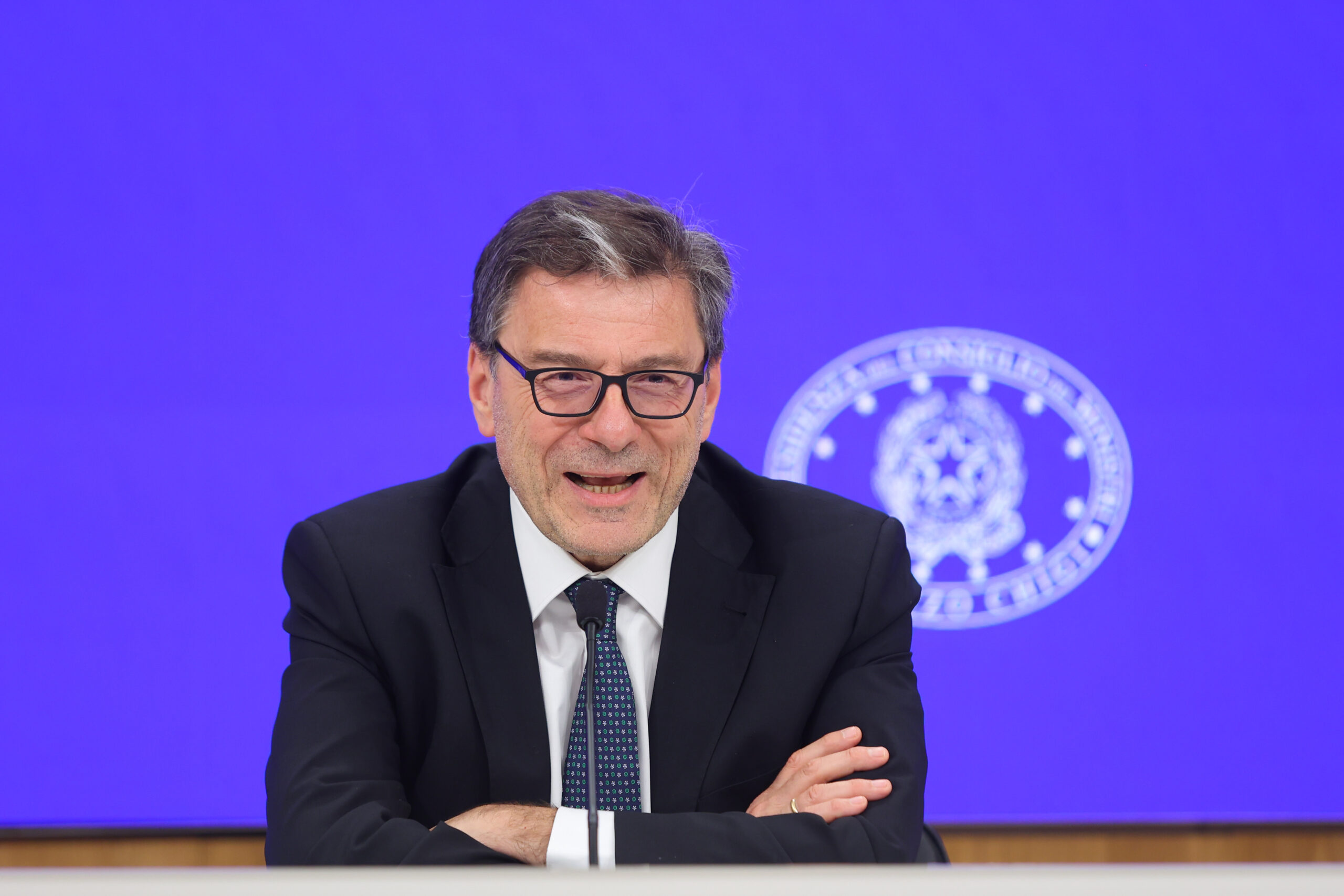
Bessent praised Europe for its strong support of U.S. economic measures against Tehran. This backing was confirmed just after a coordinating G7 meeting and before the G20 talks by Italian Economy Minister Giancarlo Giorgetti.
"Together, this group will put an end to 47 years of terrible regime" in Iran, Bessent said. "Iran is taking the sanctions very seriously. Iranian leaders are upset by the condition of their economy. We are seeing gas station lines three or four hours long. Iran is reacting militarily because it is losing on the economic front."
Artificial Intelligence and European Leadership
AI also featured prominently in G20 deliberations. European Union representatives set the tone on the topic. Executive Vice President Henna Virkkunen and Economics Commissioner Valdis Dombrovskis held a series of discussions on Artificial Intelligence, emerging technologies, supply chains, skills, and research. They reiterated Europe's ambition to strengthen its leadership in AI through investments in computing infrastructure and greater international cooperation to prevent regulatory fragmentation.
Italy's Debt Credibility
Giorgetti offered reassurances about the credibility of Italian debt in the eyes of markets. "Debt is no longer a problem as it was in the past: there are many other debts in the world, some visible and others not visible, that are an element of imbalance," the Economy Minister observed, adding that "we are in reasonably good shape as far as its refinancing is concerned; even in G7 countries not all are positioned as we are." This was a veiled reference to France.
G20 Innovation Ministerial
As the G20 Finance Ministers meeting closed, the G20 Innovation ministerial began in North Carolina. The Italian government was represented by Vice Minister for Business and Made in Italy Valentino Valentini. The U.S. presidency proposed six thematic pillars aimed at contributing to the G20 leaders' declaration planned for December at the summit in Mar-a-Lago, which should reflect common interests in innovation, rule of law, and global economic benefits.
The six pillars cover pro-innovation policy frameworks; technology for opportunity and prosperity; development of technical workforce; intellectual property and Artificial Intelligence; sectoral industrial standards; and industrial innovation and investment in production chains.
During the ministerial, Valentini held bilateral meetings with Michael J.K. Kratsios, director of the White House Office of Science and Technology Policy; Jiang Chenghua, vice minister of China's Ministry of Foreign Commerce and International Economic Cooperation; and Adriana Baravalle, Argentina's Secretary for Innovation, Science and Technology.