
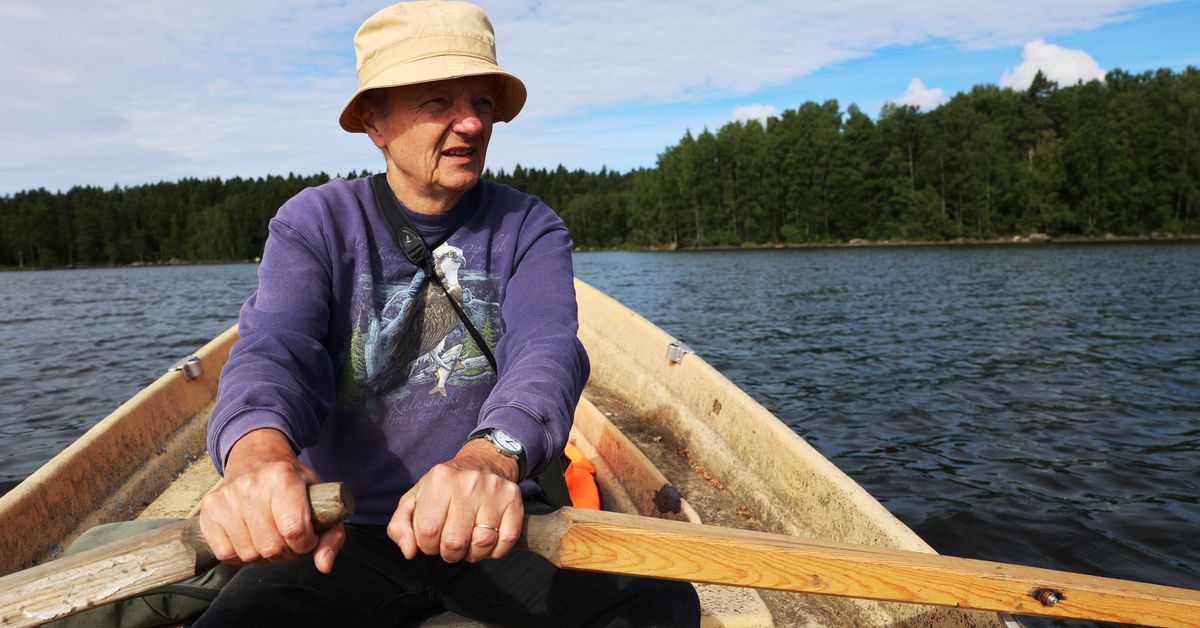
Kukkijärvi in Pirkanmaa was once known for both its clear water and impressive bird populations. That has now changed.
– Water visibility has dropped to a quarter of what it was, and the number of breeding waterfowl has collapsed, says Raimo Virkkala, a retired senior researcher at the Environmental Institute.
In studies conducted in the 1960s, spring visibility at Kukkijärvi was 8–10 metres.
The latest figures are 2–2.5 metres.
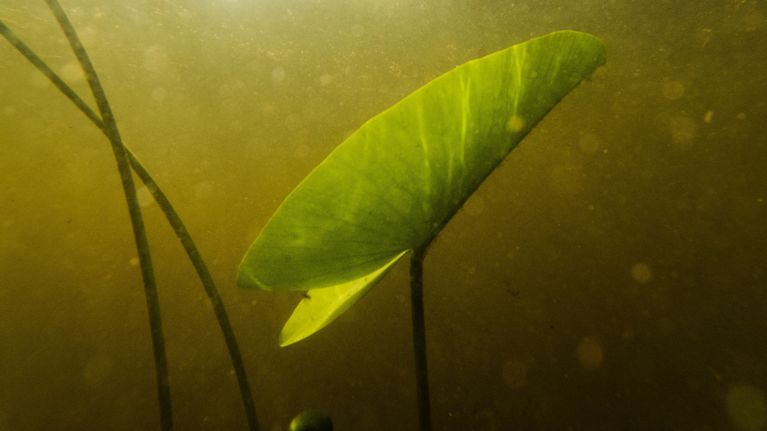
Archive image of Kukkijärvi from summer 2024. Photo: Silja Viitala / Yle
Massive change in 40 years
Over the past 40 years, there has been a major shift in bird populations.
– Nearly all waterfowl have declined sharply, but surprisingly, the hardest hit have been the formerly common pochard and tufted grebe.
Pochards bred at Kukkijärvi in pairs numbering 186 at the turn of the millennium. In the most recent counts in 2024–2025, only 30 pairs were found.
– This is a much steeper decline than is generally seen on lakes in southern Finland, says Virkkala.
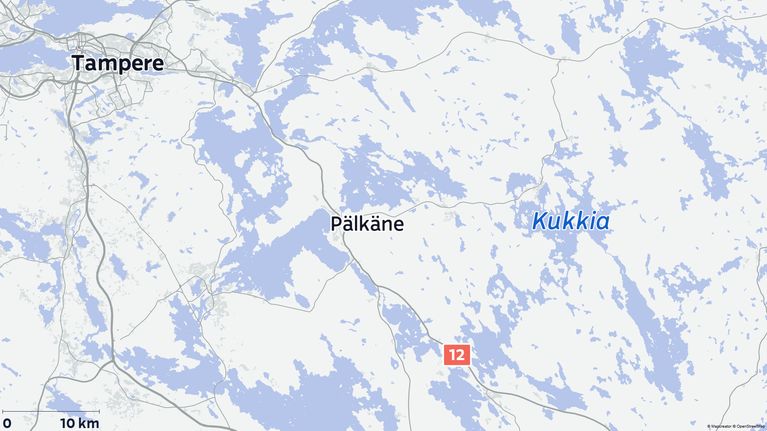
Kukkijärvi is located mainly in Pälkäne and partly in Hauho, near Hämeenlinna. The lake's surface area is nearly 44 square kilometres, with a maximum depth of 35 metres and average depth of just over five metres. There are more than 400 islands and skerries. Photo: Marko Melto / Yle, Openstreetmap, Mapcreator
The populations of invertebrate-eating pochards and pintails at Kukkijärvi have collapsed, while populations of fish-eating grebes have halved. Tufted grebes are at risk of disappearing altogether.
– This summer might be the first in forty years when I won't see a single tufted grebe chick, Virkkala wonders.
In counts from 2003–2004, the tufted grebe population numbered 71 pairs, but in 2024–2025 only five pairs.
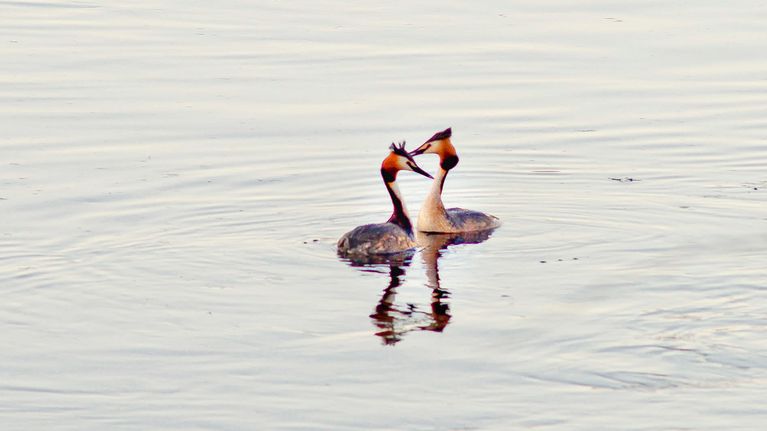
Smew, which formerly bred in numbers of 30 pairs, has disappeared entirely from Kukkijärvi. Illustration. Photo: Vesa Vaarana / Yle
Only mallard and great crested grebe numbers have remained stable. Whooper swan and Canada goose have thrived on the turbid Kukkijärvi.
Birds cannot find food
There are not many peatlands in the Kukkijärvi area, whose drainage systems would cause water rich in nutrients to flow in—a cause of eutrophication on many lakes. The water at Kukkijärvi has not deteriorated in terms of nutrients, but darkening has been severe.
Instead, extensive clear-cutting of forests has taken place. Virkkala believes this to be the main cause of Kukkijärvi's water darkening.
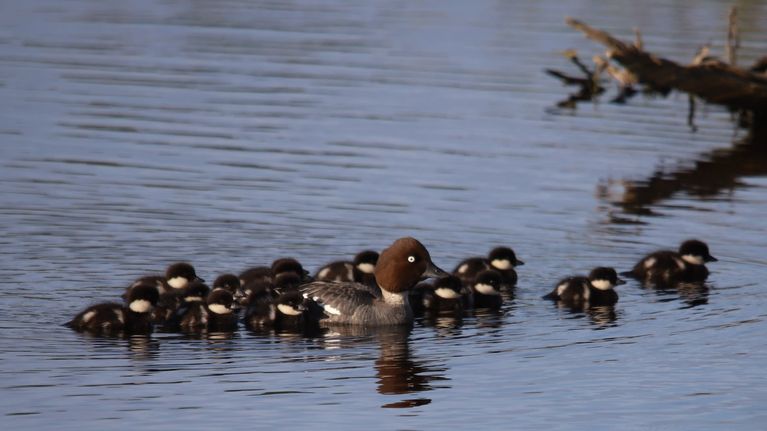
Pochard pair numbers at Kukkijärvi have fallen more than 80 percent since the turn of the millennium. Illustration of a pochard with chicks. Photo: Mika Moksu / Yle
As a result of logging, carbon dissolves from the soil and flows into lakes, darkening the water.
– Pochard and tufted grebe find their food using sight. Turbid water directly affects their abundance, says specialist researcher Markus Piha from the Natural Resources Institute.
One in five lakes in Finland cannot be classified as being in good condition.
The same problems across Finland
The eutrophication process works like this: increased nutrients boost algal biomass and cloud the water. The amount of light passing through the water decreases.
As a result, submerged vegetation and the invertebrates that live in vegetation—waterfowl food—decline.
Roach and other cyprinids, which have increased due to nutrient enrichment, further cloud the water by disturbing the bottom. Additionally, they consume an ever larger share of what remaining food there is.
In darkened water, birds find it harder to locate the food that remains.
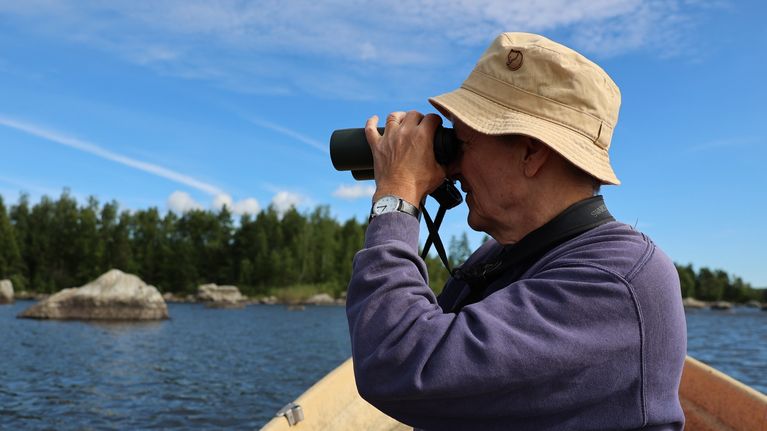
The deterioration in water visibility and increase in nutrients—eutrophication—are widely regarded as key factors that have reduced waterfowl numbers. Photo: Marko Melto / Yle
– The species that depend most on nutrient-rich wetlands and lakes across different parts of Finland have declined the most, says Piha.
These include, for example, wigeon, pintail, shoveler, pochard, coot, and several grebe species.
Pochards have declined more than 80 percent, and the formerly common wigeon 60 percent over the last 40 years.
Mallard makes use of various water bodies and has therefore fared better than many species of nutrient-rich waters.
Other reasons for waterfowl decline exist
A second cause of waterfowl decline is alien predators such as mink and raccoon dog, which eat eggs.
Additionally, waterfowl numbers can be affected by climate change–driven shifts in bird distribution, the disappearance of protective gull colonies from many wetlands, and hunting at home and abroad.
There is less information about the impact of these factors than about water quality impacts.
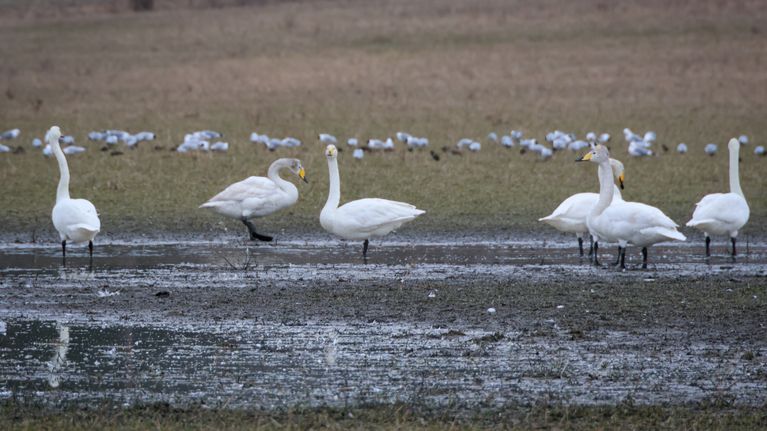
It has been suggested that an increase in whooper swans would affect how other waterfowl fare. This notion was disproven in research by Piha and Sari Holopainen. Illustration. Photo: Tina Lundán / Yle
Hope exists—work is being done now
The problem is serious, but work is now being done to solve it across Finland.
– Many wetlands have been built in different parts of the country. They improve water quality and are good breeding habitats in themselves, says Piha.
Management fishing has reduced populations of roach and other cyprinids that compete with waterfowl for food. Mink and raccoon dogs are trapped in many places.
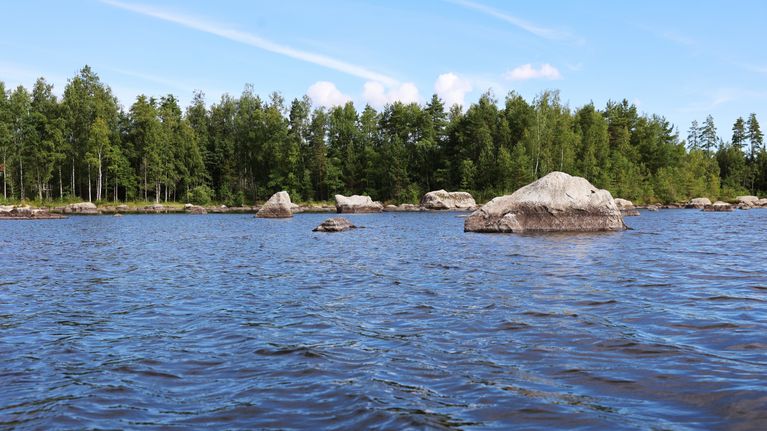
Kukkijärvi has hosted both species of sparse and more nutrient-rich lakes. This has made it a diverse waterfowl lake. Photo: Marko Melto / Yle
Some effects on waterfowl numbers may already be visible.
– As a positive sign, it can be noted that per-pair chick production of mallard, teal, and wigeon has improved in recent years, says Piha.
However, we are still far from the point where endangered pintail and shoveler populations would begin to grow. In many places, they continue to decline.
To achieve long-term results, researchers say the work must continue.
Nutrient inputs to waterways must be monitored closely, more buffer strips must be built, and ditches must be blocked. Predators should also be trapped more systematically.
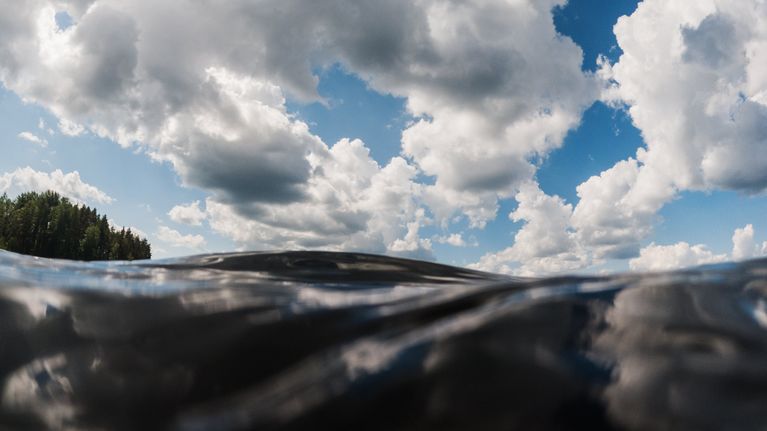
Various groups have been brought into the work for waterfowl and waterways. In addition to regional economic development agencies, local businesses have become funders. Archive image of Kukkijärvi from summer 2024. Photo: Silja Viitala / Yle
About twenty wetlands have also been built on Kukkijärvi's shores to improve the quality of water flowing into the lake.
– So I think there is hope. Besides, living with hope is much better, says Piha.