
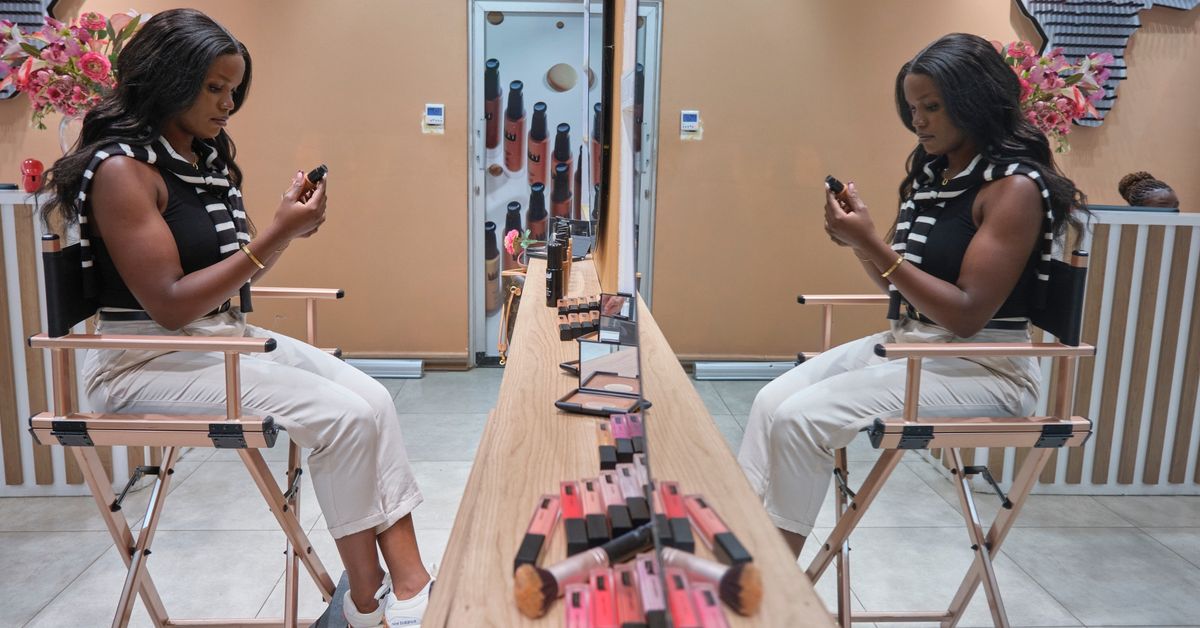
NAIROBI Twenty thousand Kenyan shillings, or 130 euros, is many Kenyans' monthly salary. Ella Mukabane, 27, could however consider buying jeans at that price if they are quality trousers.
Mukabane, who lives in Nairobi, is a lawyer and social media influencer, and she can afford luxury trousers.
Mukabane knows she is doing well.
– I believe I belong to the upper middle class, Mukabane says on a restaurant terrace in central Nairobi.
130 euros is not even a small sum for Mukabane. It is more than her monthly rent.
– It would be an investment in my wardrobe, Mukabane justifies.
She often buys used clothes — just like the middle class in Finland.
A country of vast income inequality
Kenya is a country of vast income inequality. More than half of the capital's over six million residents live in slums. At the same time, a single yoga class pass in central Nairobi can cost ten euros.
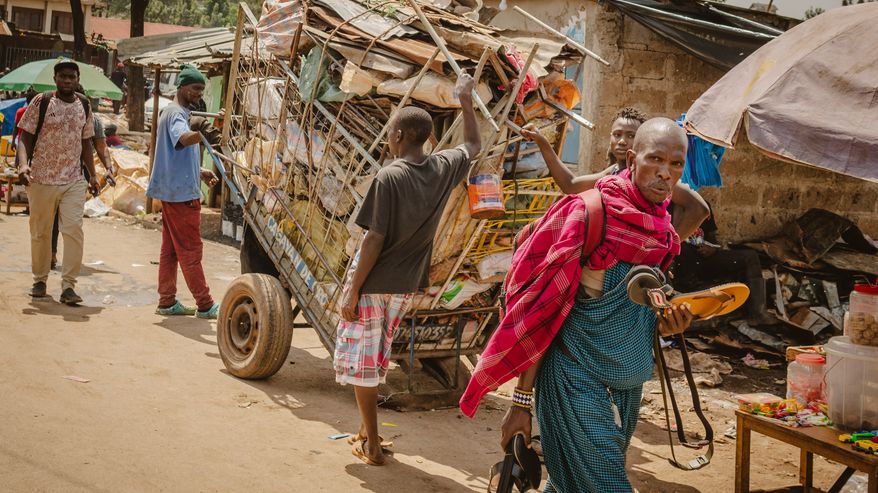
Kibera is one of Nairobi's large slums. Photo from May 2025. Photo: Fredrik Lerneryd / Yle
Between the extremes is the middle class. This story tells how young adults with money to spend live.
Defence lawyer gets clients from Instagram
Mukabane knew in school that she wanted to be a lawyer.
The dream came true. Mukabane studied law; her parents paid for her education.
Mukabane has her own law firm. She works through her firm as a defence lawyer in court.
This is how Mukabane dresses for serious court cases:

Photo: Ella Mukabane's personal album
In addition, Mukabane is a social media influencer. She focuses on beauty and lifestyle content. It looks like this, for example:
Mukabane loves taking photographs and making videos, and as an influencer she manages to combine them with earning money.
Mukabane does not do social media just for reputation and fun. The money it brings is an important source of income for her. In addition, many of Mukabane's law clients find her through social media.
On top of her other work, Mukabane tutors students and earns extra money from it.
Mukabane talks about the financial importance of her side jobs in the video below:
Director: Diego Menjíbar
By statistical standards, Mukabane is a high earner in Kenya.
Work, work, and work
Mukabane's schedules sound exhausting.
– A large part of my peers just work, work, work. We are pursuing success and financial freedom, Mukabane says.
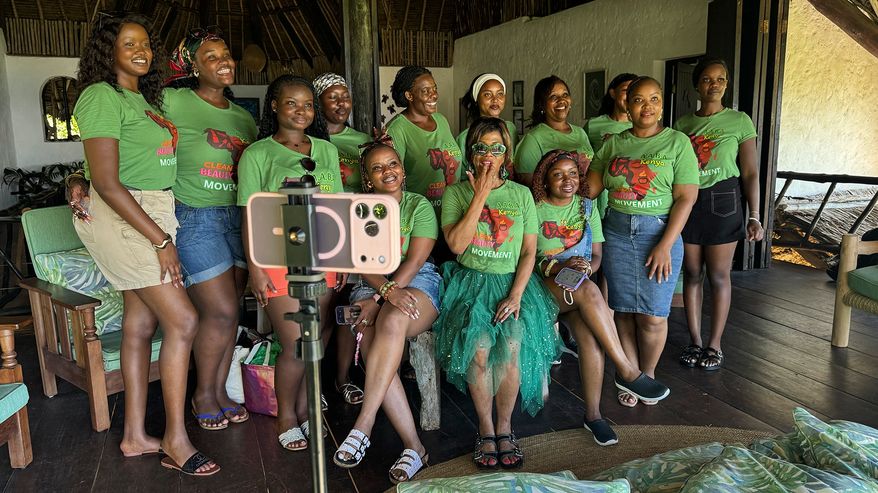
Mukabane (right) participated in March in The Africa America Beauty Alliance (AABA) influencer training on Kenya's coast in Diani. Photo: Eeva Eronen / Yle
Mukabane has little time for relaxation. Her hobbies include singing in church and playing basketball when she doesn't have long nails.
So how does she spend money when she wants to pamper herself?
– I buy clothes or shoes or order things from the Shein online store, Mukabane says.
Other options include going to a restaurant, cinema, or arcade.

The AABA training was held in a villa near a quiet beach. Photo: Eeva Eronen / Yle
Upper middle class attend private schools
Kenya's middle class are typically urban dwellers. They have higher education and formal employment.
– They can spend money on their leisure time, even eating out, describes the middle class Professor George Kosimbei from Kenyatta University in Nairobi.
The vast majority of Kenyans do so-called informal work. They sell services or goods without a formal employment relationship. This often means uncertain and meagre income.
Kosimbei notes that the middle class in Kenya also suffer from uncertainty. Job loss can easily lead to falling into poverty.
Middle-class people often have a second job in addition to their main work, which brings additional income. Just like Mukabane.
Characteristics of the upper middle class include putting children in private schools and using private health services. In addition, they can invest their money.
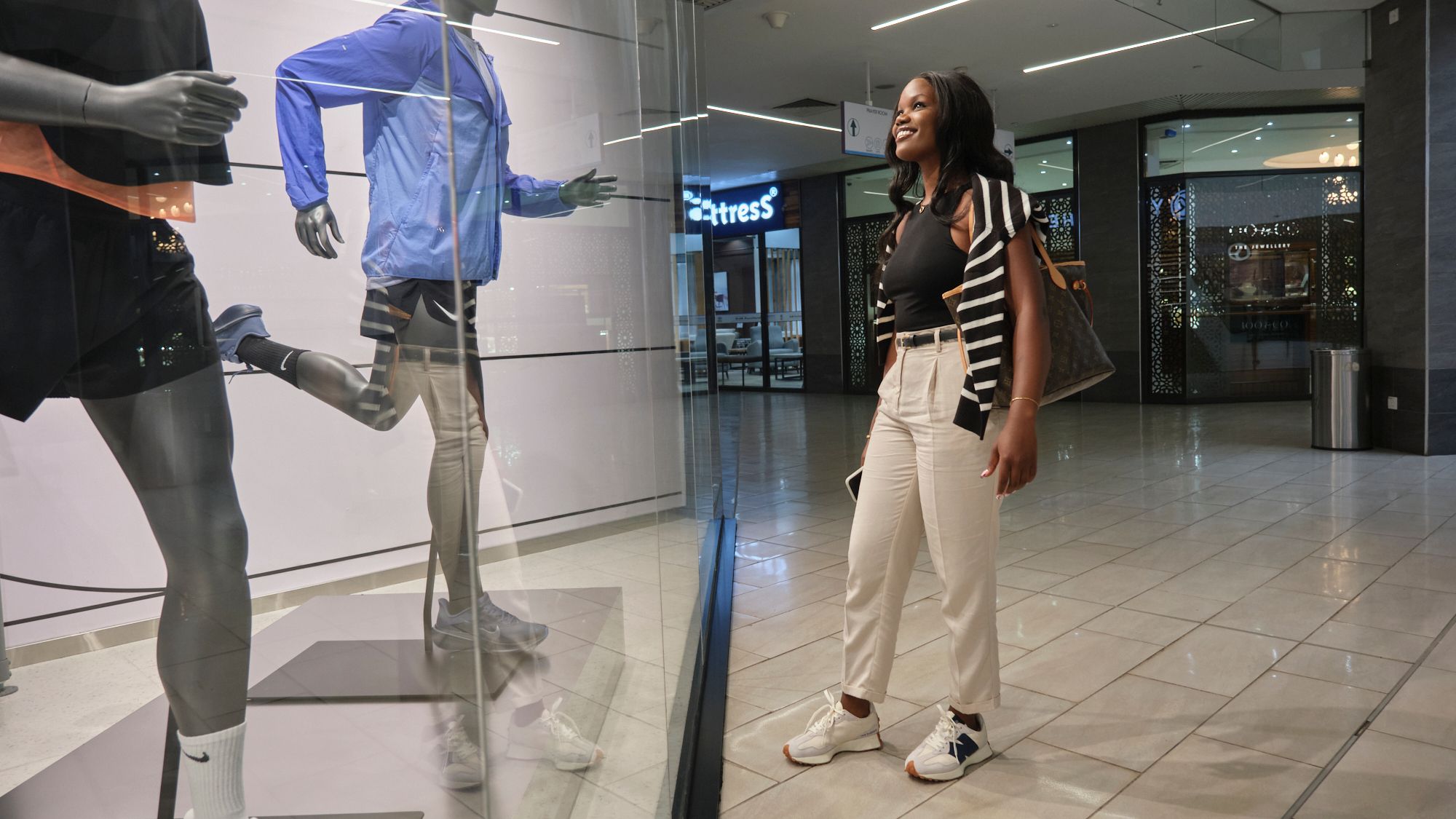
Mukabane was photographed at Sarit shopping centre, one of Kenya's oldest. Sarit opened in 1983. Photo: Diego Menjíbar
Mukabane's life fits the description of the upper middle class. She attended private school and sees a private doctor with insurance cover if needed. In addition, she invests her money. Her friends do the same, she says.
More and more earn well by entrepreneurship
The path to middle-class life in Kenya is good education followed by a good job.
Youth unemployment is widespread, however, and education does not guarantee work.
According to a recent report, Kenya's job market sees up to one million young people enter annually. The so-called formal economy, however, created only just under 80,000 jobs in 2024.
In sub-Saharan Africa as a whole, youth unemployment was just under nine per cent a few years ago, according to the International Labour Organization ILO. That doesn't sound like much, but nearly three out of four employed young adults had insecure work.
In Kenya, an alternative to getting a good job is entrepreneurship.
– Many succeed by starting a business. Technology experts can earn well, says Professor Kosimbei.
According to him, more people are now rising to the middle class through entrepreneurship than ten years ago. Kosimbei says that money-making opportunities exist in financial and agricultural technology as well as construction.
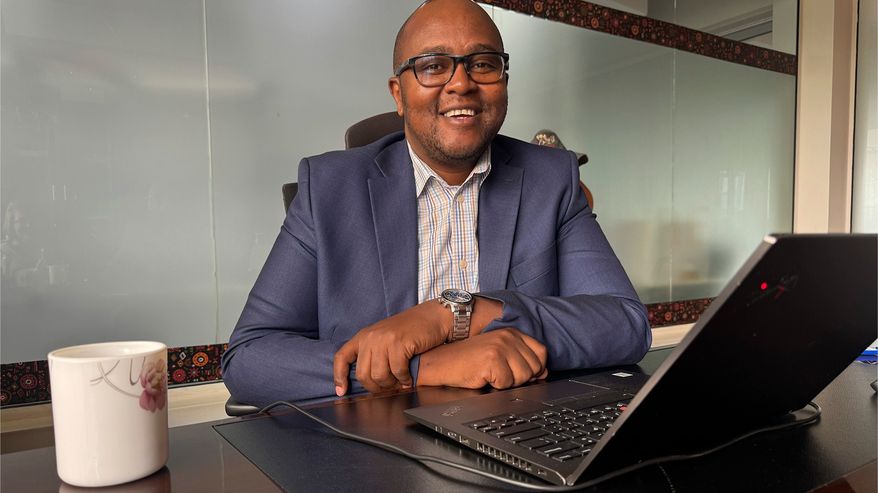
Professor George Kosimbei has seen with his own eyes at the university's startup accelerator how young people's businesses take off. Photo: Eeva Eronen / Yle
Entrepreneurship can also be a path to wealth. So can politics. However, most wealthy people have inherited a business or other property.
Kosimbei believes the middle class is now larger than ten years ago and that it is still growing. Another economic expert, however, told Yle that the middle class has shrunk.
"I'm trying to make more money"
When Mukabane left student life behind and earned her first income, she bought a sofa.
– It's the first thing people usually get, she says.
– I don't watch much television, but I bought a TV because I wanted a big screen in my home.
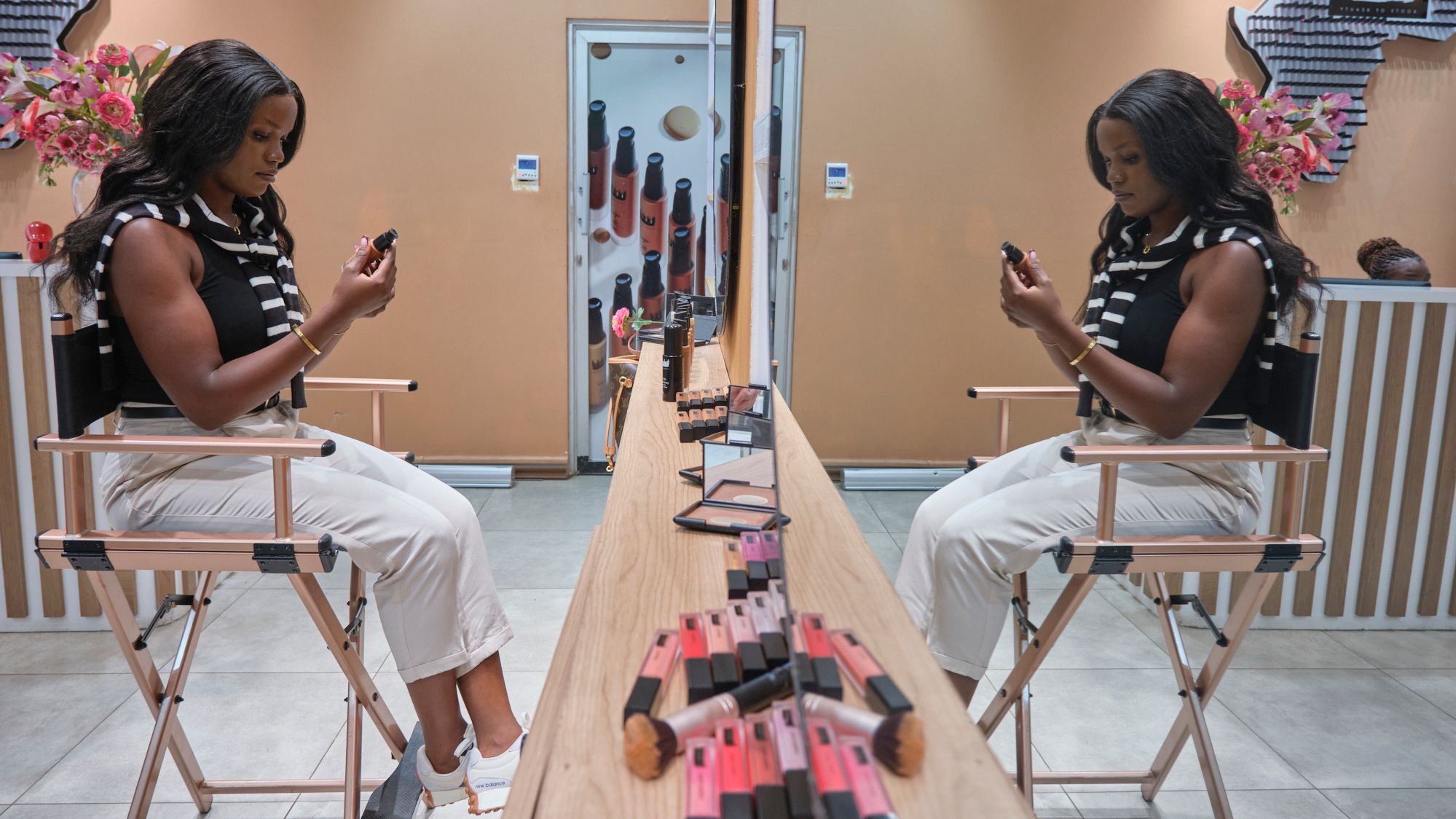
In Mukabane's circle of friends everyone wants the latest iPhone. She herself has an iPhone 11. Mukabane is pictured in a Bellazuri store, which she collaborates with. Photo: Diego Menjíbar
Mukabane rents a two-bedroom apartment far from central Nairobi. There is peace and affordable rent, 17,000 shillings or just over 110 euros.
This year Mukabane wants to buy a car. Nairobi's public transport runs on private minibuses and buses.