
The Smarts Project
The Smarts project has validated nanomaterials in simulated space conditions that are capable of protecting cells from oxidative stress caused by radiation and microgravity. A collaboration between the University of Sassari and ViroStatics has taken the research from laboratory testing to prototypes intended for possible applications in astronaut suits. The next step involves industrial scale-up, intellectual property protection, and new partnerships.
The University of Sassari and ViroStatics have validated antioxidant nanomaterials in simulated space conditions, designed to protect cells from oxidative stress induced by radiation and microgravity. The result comes from the Smarts project, developed with management support from the Sardinia Aerospace District (Dass).
ViroStatics' role clarifies the biological framework of the project. The company, a private biopharmaceutical firm, works on developing drugs for viral infections, tumours, and inflammatory diseases. In Smarts, these competencies enter into evaluating the effect of nanomaterials on cell models, linking materials research to a specific problem of human space habitation.
Testing the Nanomaterials
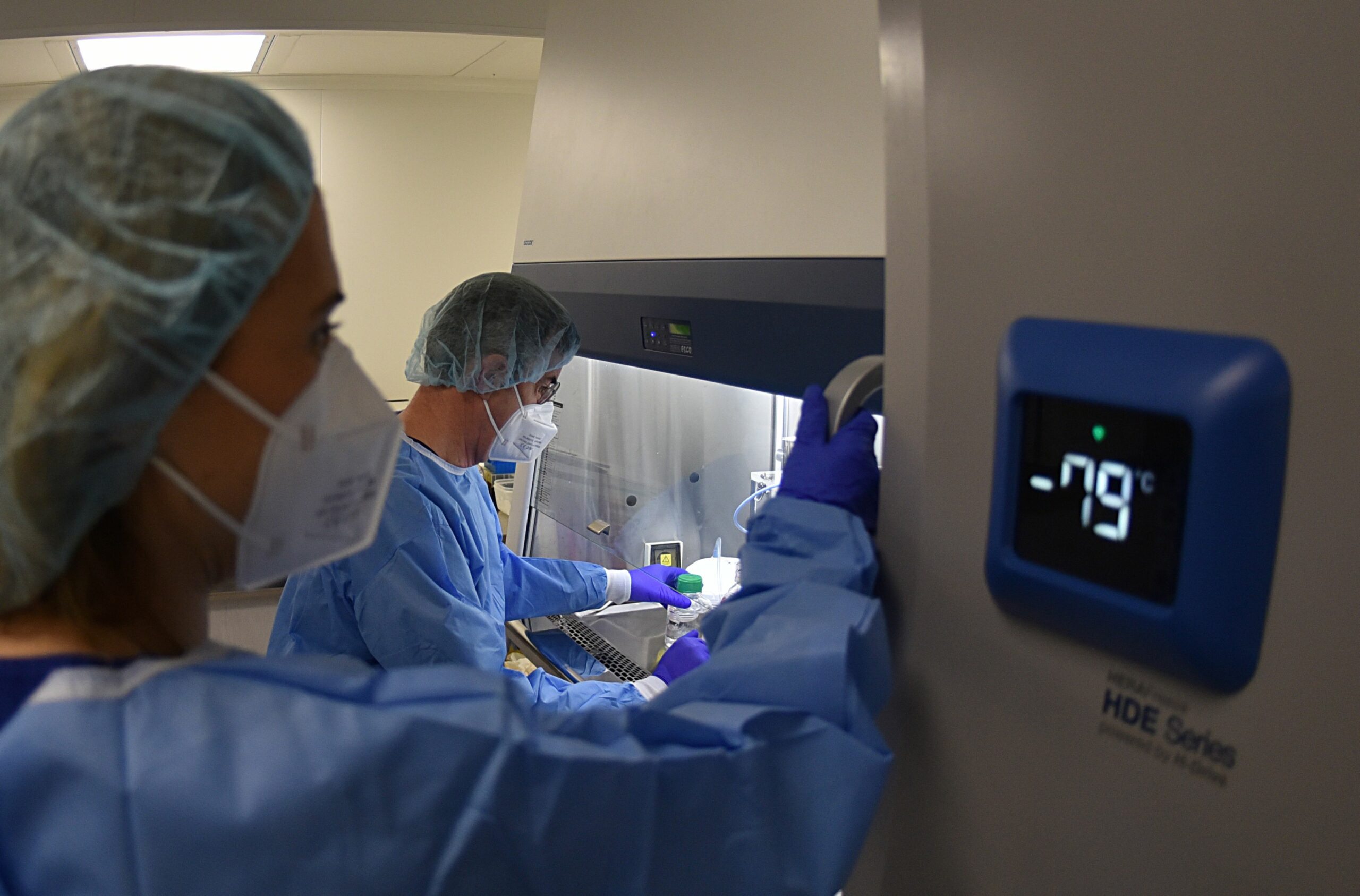
Smarts followed the path from designing carbon-based nanomaterials through to their physical-chemical characterisation. Biological verification arrived with in vitro testing, which confirmed antioxidant activity and a favourable safety profile.
Laboratory simulation reproduced oxidative stress and microgravity using a clinostat, demonstrating a measurable protective effect on cells. Functionalised prototypes were tested with a view to possible use in coatings and fabrics of astronaut suits.
For Franco Lori, CEO of ViroStatics, the result indicates an industrial and scientific opportunity for the region. "Smarts demonstrates that Sardinia can compete on the frontier of nanomaterials for space and health. We have achieved all our objectives and validated the technology in simulated space conditions: materials that protect cells from oxidative stress induced by radiation and microgravity."
From Research to Intellectual Property
The project was developed entirely in Sardinia and partners now look toward industrial scale-up, intellectual property protection, and new national and European collaborations.
In the work of the University of Sassari, the point is the transition from laboratory research to a technology verified on cell models. Plinio Innocenzi, a professor at the university, sums it up this way. "This project arises from the meeting of materials science and biotechnology and has grown within the e.INS ecosystem. It is exactly the model we want: knowledge generated in laboratories that materialises into validated technology and prototypes, with concrete impact."
Closing out the regional picture, Giacomo Cao, president of Dass and scientific coordinator of the Aerospace Science and Technology spoke of e.INS, has highlighted the role of the regional supply chain. "The Smarts project adds a valuable piece – advanced materials for health and safety in space – and demonstrates once again that the island has an aerospace supply chain with high added value, capable of attracting talent and investment."
The next step will be industrial. The research has reached the validation indicated by the project; now it is a matter of transforming that result into patents, products, and collaborations outside the laboratory.
(Photo by Luca Pretti)