
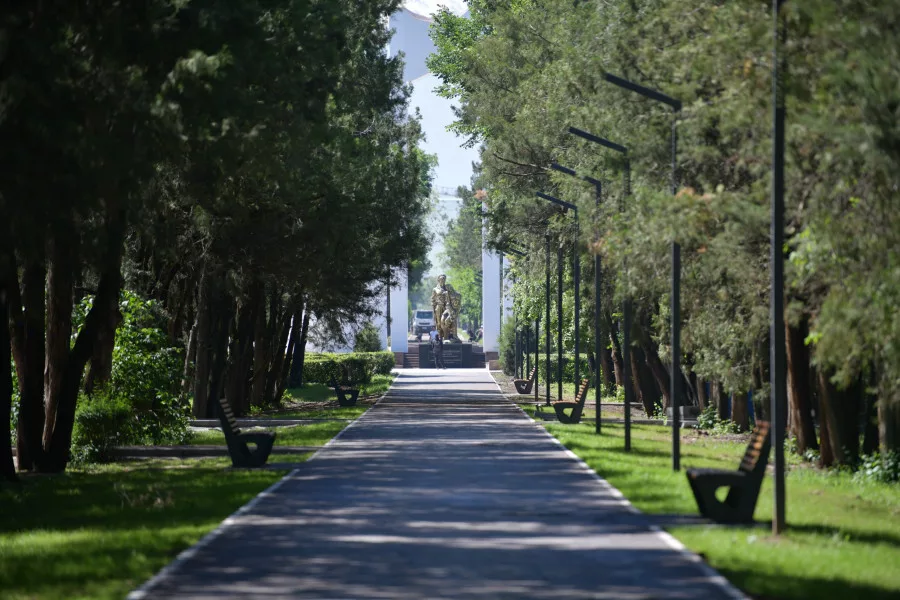
Kyrgyzstan Proposes Sweeping Green Space Protection Law
Kyrgyzstan has drafted legislation aimed at dramatically strengthening protection of urban green spaces. The bill proposes a legal ban on reducing park and square territories, introduces mandatory digital registration of trees, and tightens ecological requirements for developers, according to local media.
Deputies of the Jogorku Kenesh prepared the draft. The amendments affect seven legislative acts and, according to the explanatory memorandum, are designed to create a unified legal mechanism for protecting the "green framework" of populated areas. The initiative was prompted by increasing cases of chaotic development of recreational zones and mass tree cutting in cities across the republic.
One of the key innovations will be a categorical ban on reducing the area of parks, squares, and boulevards when adjusting general city plans and intensifying construction. Green spaces are proposed to be enshrined in legislation as critically important infrastructure that ensures ecological safety and public health.
The bill introduces a compensatory planting principle on a "five to one" scheme:
- When one tree is removed, the developer must plant 5 new saplings adapted to local climate conditions and ensure their care for full establishment over three years.
- If there is no free territory near the construction site, local government bodies must provide an alternative plot for planting.
- If an adult tree is successfully transplanted, compensatory planting is not required, and removal of dead and hazardous trees is exempt from this requirement.
To systematize control, each tree in populated areas is planned to receive a digital passport. Local government bodies will be required to maintain an open electronic registry of green spaces, and planned inventory will be conducted at least once every two years.
The document also significantly tightens ecological regulations for the construction sector:
- Projects involving the removal of more than 10 trees or shrubs are subject to mandatory state environmental assessment.
- An obligatory element of environmental impact assessment becomes tree-by-tree documentation — a dendroplan.
- Removal of plantings will be permitted only in exceptional cases after instrumental inspection and receipt of a positive environmental assessment conclusion.
The amendments also provide for administrative liability for tree damage during construction work, extend fines for illegal logging to urban plantings not included in the state forest fund, and clarify norms for construction waste disposal.