

Around the world, there is a frantic search for medicines to slow the progression of the disease, as type 1 diabetes shortens the lifespan of those affected.
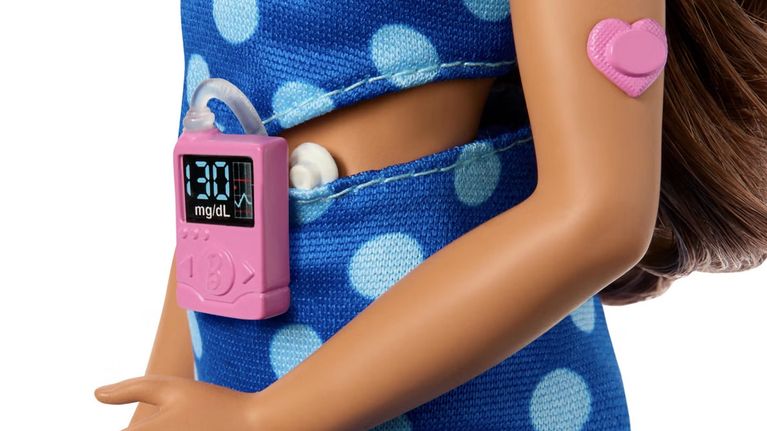
Many develop type 1 diabetes in childhood. Toy company Mattel brought a Barbie doll with the disease to market last year. Photo: Mattel / AOP
- Kirsi Matson-Mäkelä
15.7. 21:26
Tampere University Hospital (TAYS) has launched two new drug trials aimed at slowing the progression of type 1 diabetes and slowing the end of the body's own insulin production.
The studies are important because the disease is still associated with significant excess mortality and an average lifespan approximately 15 years shorter than others.
The Children's Medicine Research Centre Peetu at TAYS is now seeking people aged 2–36 for the trials.
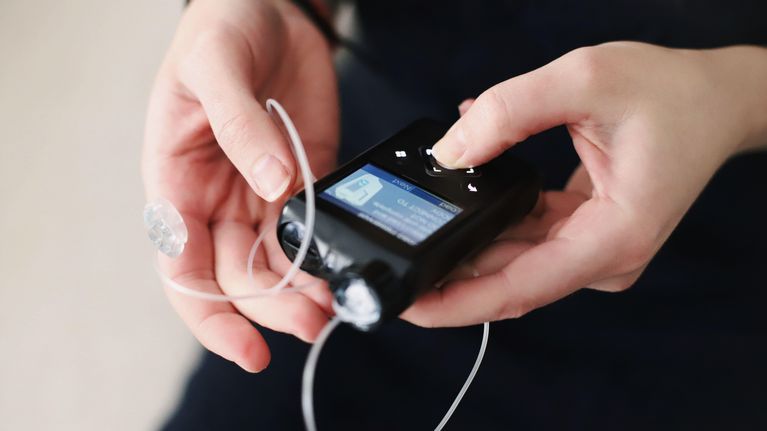
The treatment of type 1 diabetes has improved significantly in recent years thanks to continuous monitoring sensors and smart insulin pumps. Photo: Lauriëtte de Ruiter / All Over Press
Drug with multiple uses
One of the trials now underway aims to prevent and delay the onset of symptomatic diabetes in the prediabetic phase; the other is directed at those newly diagnosed.
The drug being studied in Tampere is baricitinib, taken as a tablet, which was originally developed to treat other autoimmune diseases, such as rheumatoid arthritis and alopecia areata.
Type 1 diabetes is an autoimmune disease in which the beta cells of the pancreas that produce insulin are destroyed.
– The goal is to maintain the function of the beta cell mass for as long as possible. This way diabetes treatment is easier and insulin balance is maintained better, explains paediatrician Salla Kuusela from TAYS.
In Tampere, a diabetes drug called fexalamib is also being studied, which is given by injection.
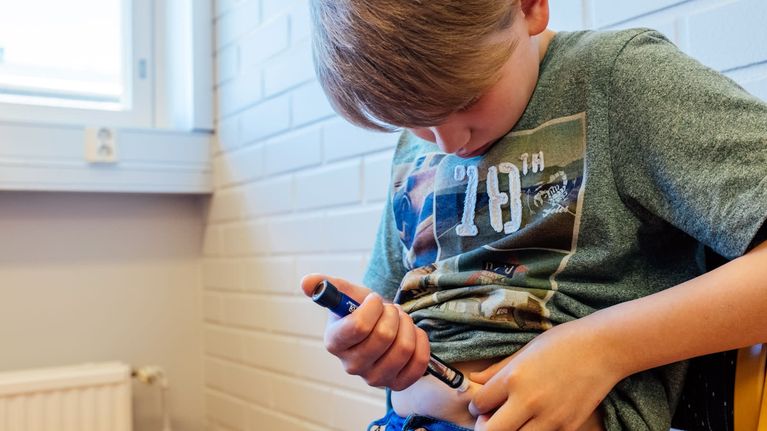
Type 1 diabetes treatment includes daily blood sugar monitoring, insulin dosing, coordination of diet and insulin, and regular exercise. Archive photo. Photo: Antti Yrjönen / Diabetesförbundet
Treatment has improved significantly
According to the Finnish Institute for Health and Welfare (THL), one in every hundred Finns has type 1 diabetes. About 1,000 new patients develop the disease each year.
Although type 1 diabetes is still associated with excess mortality, the situation has improved significantly. According to Kuusela, the prognosis for children and young people who develop the disease today cannot be directly compared to the situation of middle-aged diabetics.
– Continuous monitoring sensors connected to a phone have been in use for the past ten years. In recent years, smart pumps that regulate insulin based on sensor readings have been added to treatment, Kuusela says.
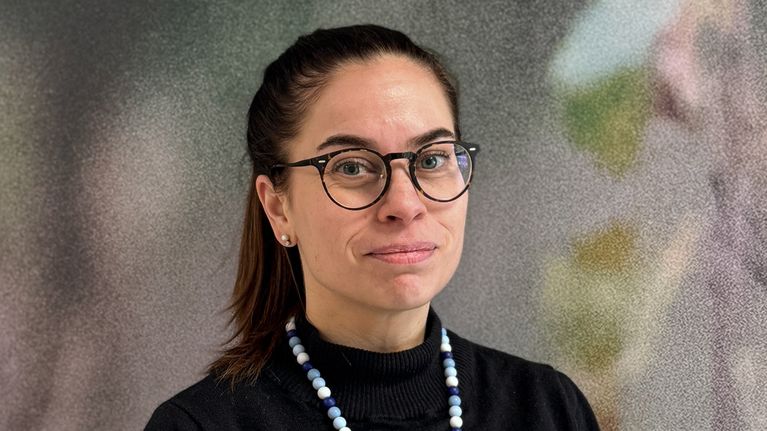
Salla Kuusela says that conducting the research is facilitated by the fact that as a children's endocrinologist, she can often combine the study visits with clinic appointments. Photo: Heidi Alanen
According to THL, it is important to develop the treatment of type 1 diabetes.
– Research is really being done on this a lot now in Finland and elsewhere, Kuusela says.
For example, a biological drug called teplizumab, which slows the progression of the disease, has been approved for sale in the United States and Europe.
Fimea is currently evaluating whether the disease-progression-inhibiting drug can be introduced for use in Finland as well.
Gender makes no difference
Recently there has been much discussion that women's diseases are diagnosed and treated more poorly. Drug trials have traditionally included more men.
In children's drug trials, gender is not significant for recruitment purposes, Kuusela emphasises.
However, she notes that puberty, growth, and hormonal function are taken into account in the studies, as they affect both girls and boys in terms of diabetes development and insulin dosing.