
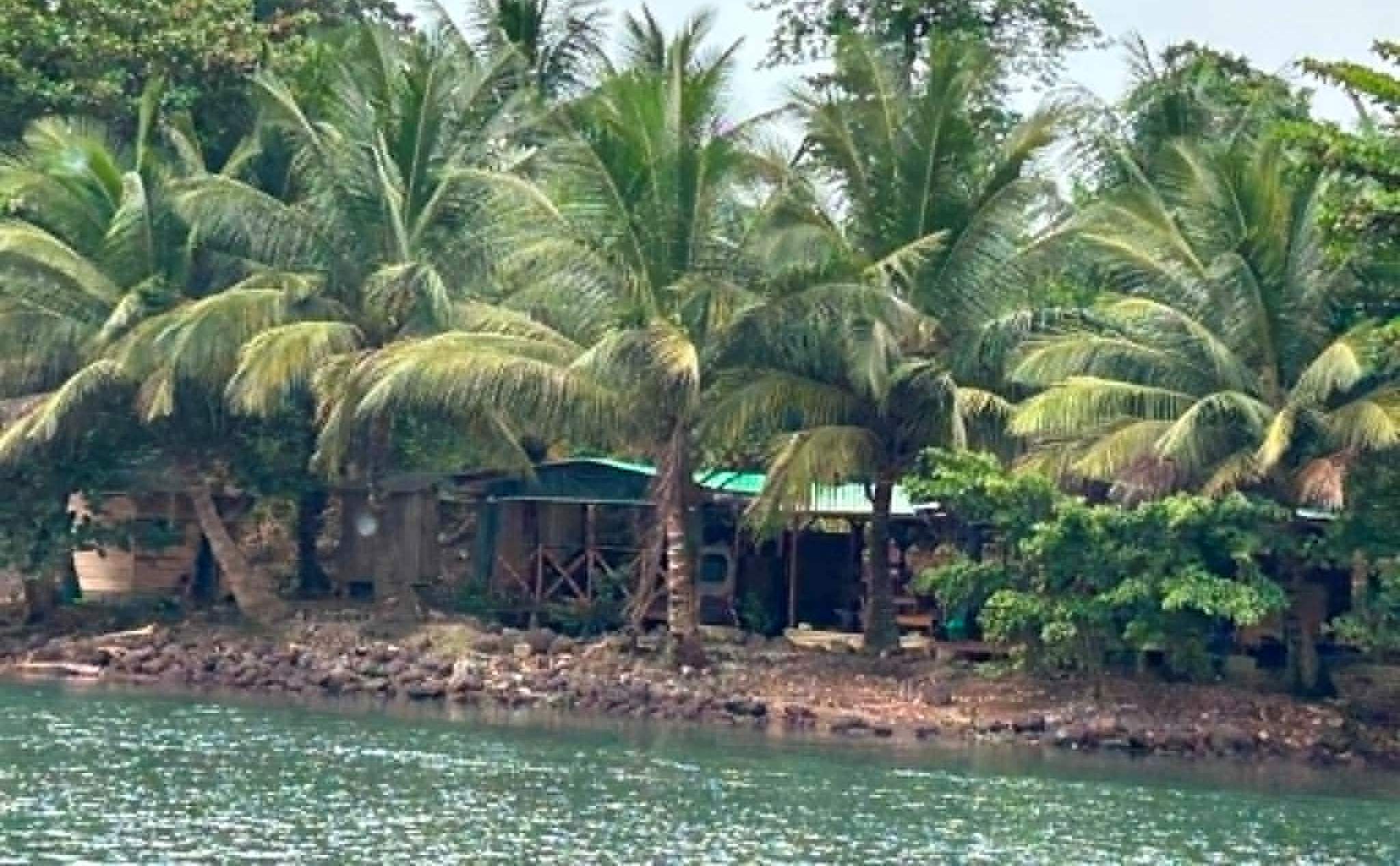
A View of Nendé Island
In the heart of Akanda National Park, in northern Libreville, a genuine natural jewel is gradually opening to the world. Nendé Island, nestled among mangroves and forests rich in biodiversity, has become one of Gabon's flagship ecotourism destinations. Through a community ecotourism circuit established via a partnership between the National Agency of National Parks (ANPN), the Japan International Cooperation Agency (JICA), and the Embassy of Japan in Gabon, this exceptional site combines environmental preservation, cultural heritage valorisation, and local development.
Designed as an immersive experience, this project invites visitors to discover a territory where nature and local communities coexist in perfect harmony. During a press trip to the site on 8–9 July 2026, the Japanese NGO Ecologic, which is implementing the project, outlined the philosophy guiding this initiative.
"Here, there are sites where you can hike with the local population to discover their way of life and how they live in harmony with nature," explained Imaoka Sayaka, coordinator of NGO Ecologic.
A Magnificent Shell Beach
Far from limiting itself to observation of spectacular landscapes, the circuit offers genuine immersion in the ancestral knowledge of communities that have inhabited this region for generations. The Sekiani, Kota, and Fang peoples and Omyènè communities perpetuate a rich cultural heritage intimately linked to the park's natural resources.
"This cultural diversity can contribute to the valorisation of this park. Each tradition, each ethnicity, each culture maintains a particular relationship with this nature," indicated Dr. Guy Max Moussavou, anthropologist and project coordinator.
As visitors hike, they also discover the secrets of the Gabonese forest. Guided by local specialists, they learn to identify the main forest species and their role in the daily life of communities.
The Traditional "Moungongo" Musical Instrument
Okoumé, an emblematic tree of Gabon, occupies a central place in this discovery. A true pillar of the national forest economy, it is also essential to the life of riverine communities.
For guide Angoué Mba, "this wood allows us to build boats to travel from one point to another by sea. It also serves to build houses. All the planks you see in hardware stores come from Okoumé."
Beyond its use in construction, Okoumé resin plays an important role in initiation rites, traditional pharmacopoeia, and in the manufacture of certain perfumes. Visitors also discover Okala, another species whose bark is used in traditional ceremonies and in the construction of village dwellings.
Ecologic NGO Coordinator Imaoka Sayaka
The experience continues with authentic activities that bring tourists closer to local realities. A demonstration of crab fishing, where crabs are dug from beneath the soil, delights visitors before a boat excursion through the majestic landscapes of Akanda Park.
The circuit notably leads to the Kendjé site, a remarkable natural curiosity where the beach, far from being made of fine sand, is entirely covered in shells. A rare spectacle that testifies to the ecological richness of this protected space.
Akanda Park also remains one of the region's most important ornithological sanctuaries. Flamingos, pelicans, and many other migratory bird species flourish in this exceptional environment, making the site a true paradise for nature lovers and wildlife enthusiasts.
To welcome visitors in the best conditions, several ecotourism facilities have been built on Nendé Island. The site now has two covered platforms that can accommodate up to twelve tents, modern sanitary facilities, showers, an equipped kitchen, and a dining area allowing stays in nature while guaranteeing appreciable comfort.
The initial results are already encouraging. More than one hundred tourists have already visited the island since the project's establishment, with more than 90 percent being Western visitors, drawn by the authenticity of the places, the richness of biodiversity, and the welcome of local communities.
Through this initiative, Gabon confirms its ambition to make ecotourism a lever for sustainable development. By simultaneously valorising its natural heritage, its ancestral traditions, and the involvement of local populations, Nendé Island asserts itself as an exceptional destination where each visit becomes an encounter with preserved nature and a history deeply rooted in Gabonese cultures.
Sydney IVEMBI