
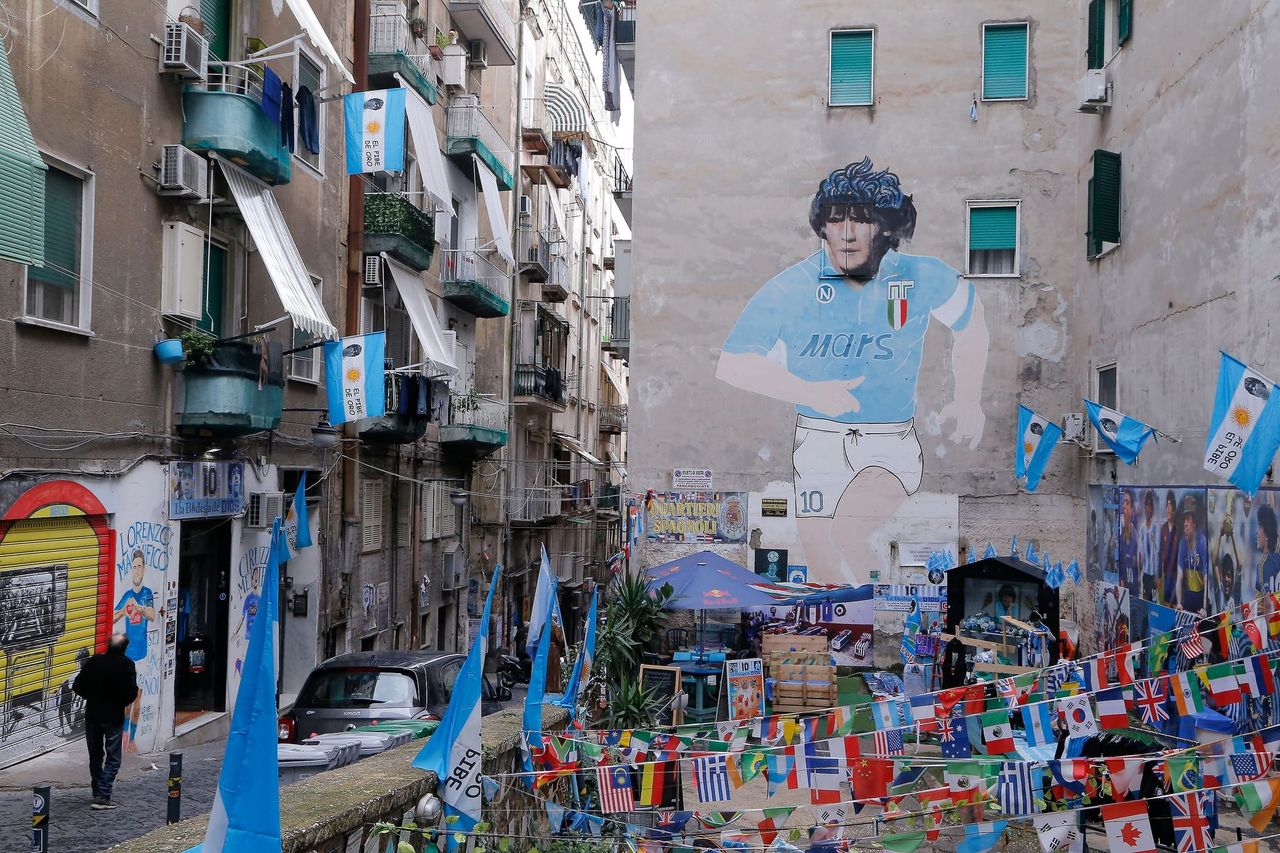
Without question, Latin America is the continent of football.
Latin American countries have collectively won ten World Cup championships in history: Brazil five times (the most in history), Argentina three times (including the 2022 Qatar victory), and Uruguay twice. Of the 22 World Cups to date, Latin American teams have claimed nearly half of all championships, making them the only non-European football region capable of sustained competition with Europe at the national team level.
But if the perspective shifts from national teams to professional clubs, the situation becomes far less encouraging. The Copa Libertadores—South America's premier club competition—has seen its commercial value, broadcast revenue, and wage levels fall into an ever-widening gap compared to Europe's Champions League. Latin American clubs and leagues increasingly function as a "supply chain" for European football: the continent's finest players, from veteran Messi and Neymar to rising stars Vinícius Júnior and Julián Álvarez, are almost without exception purchased by European powerhouses in their teenage years or immediately after reaching adulthood. Latin America exports world-class talent, yet the enormous profits generated by the football industry remain largely in Europe.
At the cultural level, however, football in Latin America continues to deliver a remarkably powerful sense of identity. Fans project nationalist passion onto each match; a single victory still lifts spirits and can temporarily reverse the centuries-long power imbalance between Europe and Latin America. One might say that five hundred years after Columbus "discovered" America, the football pitch remains a stage where Europe and Latin American nations repeatedly enact the drama of colonialism and decolonisation.