
China's biotech growth divides American industry between those calling for new restrictions and those fearing consequences for companies and patients
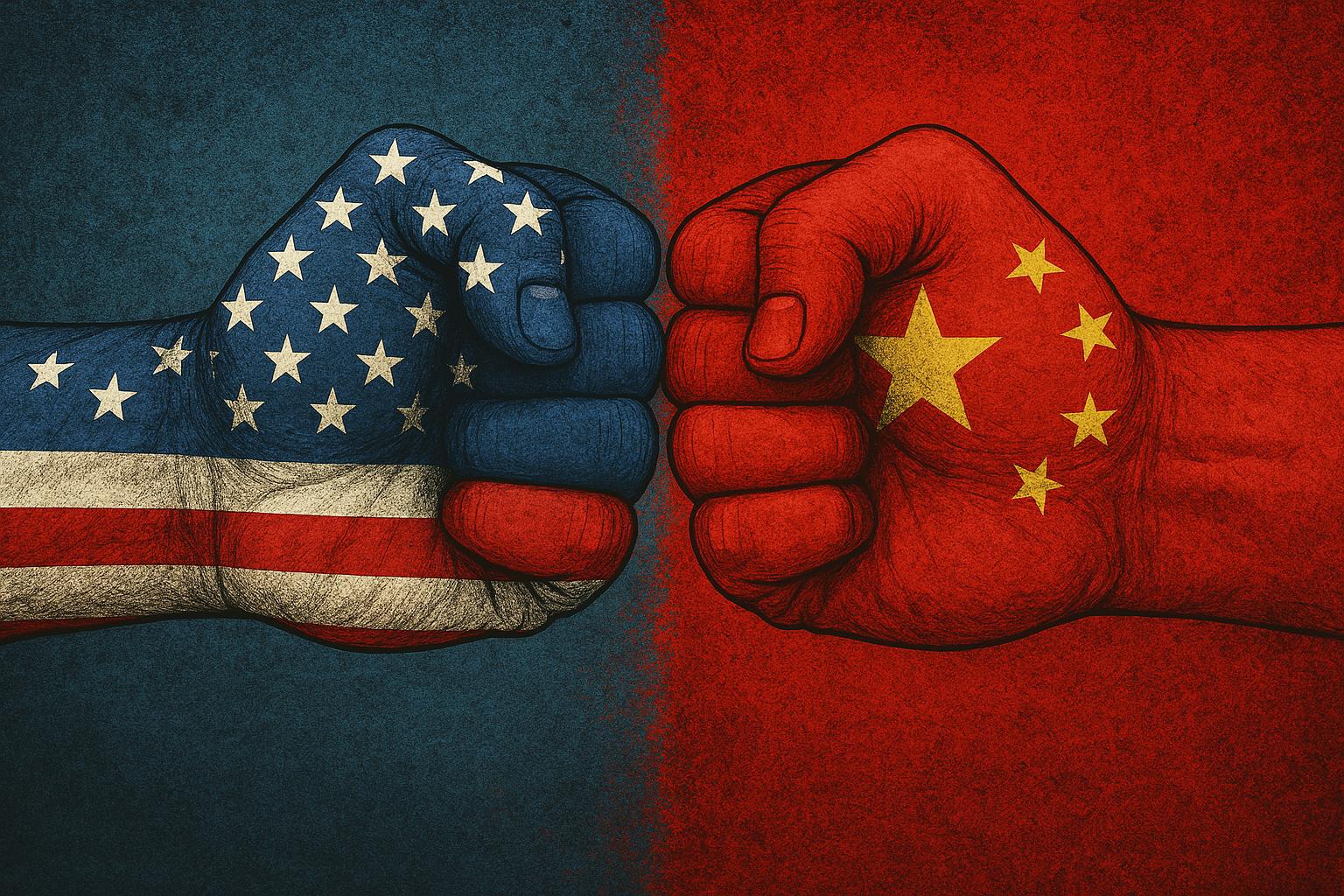
China's rapid advance in biotechnology is dividing the U.S. life sciences community. This is what emerges from an analysis by Axios, which reconstructs the debate between those demanding more protectionist measures to preserve American leadership and those who fear that limiting ties with the Chinese ecosystem could harm industry and, above all, patients.
At the heart of the discussion is a reality now difficult to ignore: conducting early phases of drug development is often faster and less expensive in China than in the United States. This convenience is reflected in the strategies of major Western pharmaceutical companies, increasingly interested in acquiring or licensing molecules developed by Chinese biotech firms.
According to estimates from Evaluate cited by the U.S. outlet, assets of Chinese origin could represent more than two-thirds of the overall value of industry deals this year, compared to 42% last year and just 5% five years ago. For supporters of a more restrictive approach, this shift in capital risks gradually weakening the American biotech base, depriving the most innovative entities of resources needed to develop cutting-edge technologies and facilitating the transfer of strategic expertise to China. The opposite position holds that the geographic origin of a drug should not overshadow its therapeutic potential: preventing U.S. companies from accessing Chinese research would not halt its development, but could leave Beijing greater control over new therapies and their distribution in international markets.
The House commission dedicated to competition with China has launched reviews of clinical trials conducted in the country by some major pharmaceutical groups, while an extension of controls on outbound American investments to biotech has been proposed—controls already in place for sectors such as semiconductors, artificial intelligence, and quantum technologies. On one point, however, the different positions seem to converge: protectionism cannot substitute for a strategy to make the domestic research ecosystem faster, more attractive, and competitive. In this direction lies Operation TrialBlazer, the Health Department's initiative to strengthen U.S. leadership in clinical trials and drug development. For those supporting immediate measures, however, accelerating internal research will take time. Restrictions would therefore serve to contain the immediate loss of industrial capacity while addressing structural weaknesses in the American system.
Scientific leadership is not preserved only by protecting existing assets, but by building a system capable of accompanying innovations from laboratory to industrial development. "Today the United States faces an almost equal competitor in China, which has linked its manufacturing strategy to an aggressive innovation strategy. China integrates industrial policy, long-term state investments, and protected domestic markets to rapidly scale emerging technologies, without the constraints of quarterly profit pressures," wrote Sujai Shivakumar, director of the Renewing American Innovation program at the Center for Strategic and International Studies (CSIS), in Healthcare Policy, advocating for the need for "a 21st century innovation strategy, based on a systemic approach capable of facing these new realities." In biotechnology, indeed, scientific excellence is not enough without biomanufacturing capacity, regulatory expertise, infrastructure for clinical development, and resilient supply chains. It is probably on this terrain, more than on closure toward Beijing alone, that America's ability to maintain its leadership will be decided. A lesson that is also valid for Europe.