
20:08 | Lima, Jul. 8.
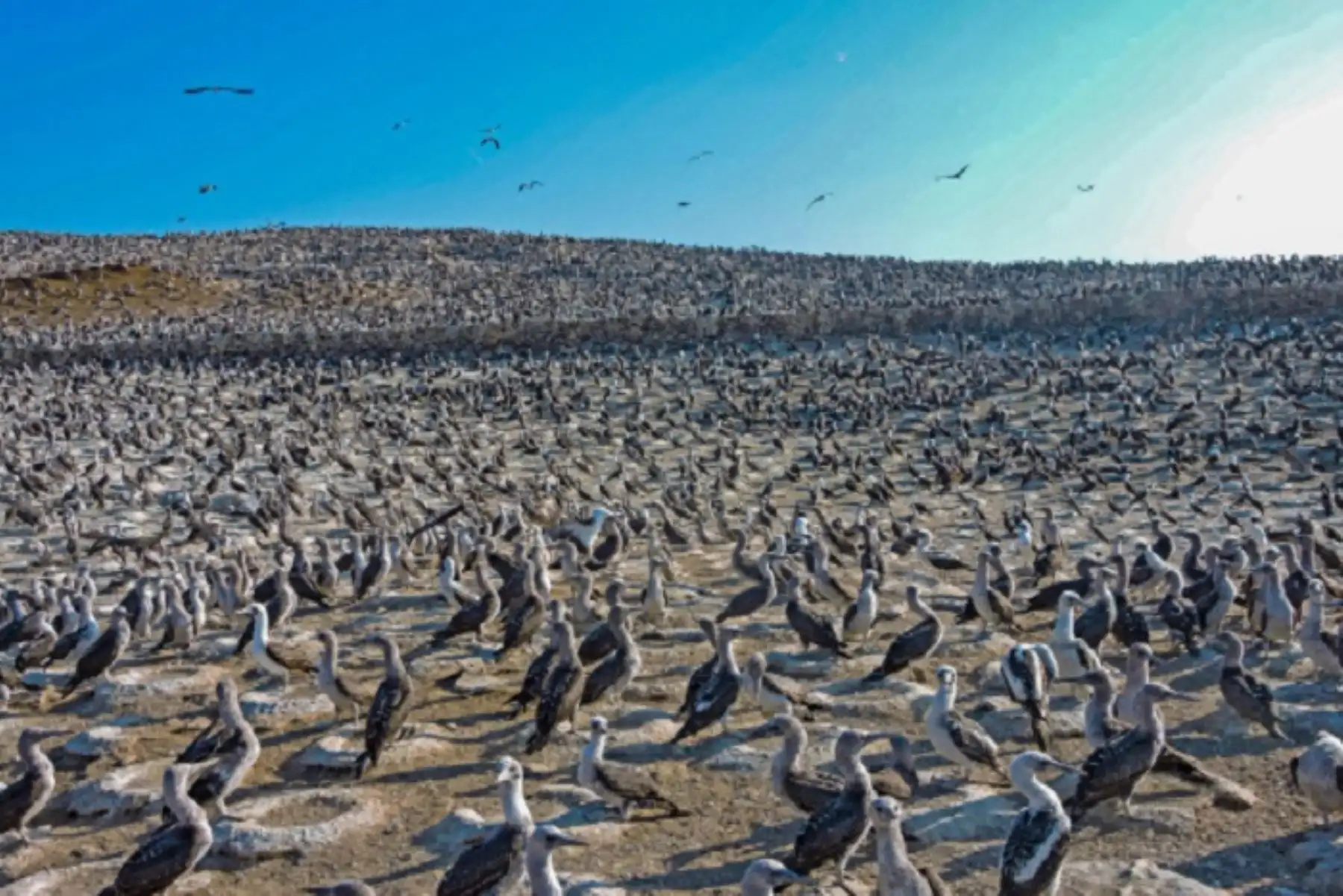
To mitigate the impact of the Coastal El Niño phenomenon on wildlife, the Ministry of Agricultural Development and Irrigation (Midagri) activated a comprehensive strategy along the Peruvian coast in response to increased reports of stranded, displaced, or weakened animals due to ocean warming. This oceanographic alteration has displaced anchoveta southward and reduced food availability for guano birds, penguins, and sea lions.
Under the technical leadership of the National Forestry and Wildlife Service (Serfor), field interventions intensified in Tumbes, Piura, La Libertad, Áncash, Lima, and Ica through the SERFOR Alert system.
Likewise, through the Technical Forest and Wildlife Administrations (ATFFS) and regional governments, a new "Action Guide for Marine-Coastal Wildlife Reports on Beaches" is being applied, which regulates the work of local brigades, sample collection, and safe disposal of stranded animals.
"We are coordinating with regional authorities and sector agencies to provide a technical, rapid, and coordinated response. Our commitment is to conserve wildlife heritage with strict biosecurity protocols in the face of this natural event that intensifies due to climate change," said Marco Arenas, director of Sustainable Management of Wildlife Heritage at Serfor.
Health Alliance and Island Monitoring
This technical strategy is complemented by a strong health and territorial development front structured by Midagri. In this context, the National Agricultural Health Service (Senasa), as the governing entity for animal health, conducts epidemiological surveillance to issue timely zoo-sanitary alerts.
Meanwhile, the Agro Rural program monitors the biological situation on 22 islands and 8 coastal points through its island guards deployment. This effort is complemented by joint inspections between Serfor, Senasa, and the National Service for State-Protected Natural Areas (Sernanp) in critical zones with high concentrations of marine mammals, such as the Paracas National Reserve.
International Cooperation and Prevention
At the strategic level, Serfor is designing an inter-institutional roadmap for long-term population monitoring and maintains close cross-border coordination with environmental authorities in Ecuador and Chile. The objective is to standardize health alerts and jointly evaluate marine bird migration routes in the region.
Finally, through the campaign "Let's Respect Marine Wildlife," Midagri urges citizens, fishermen, and tourists not to touch, feed, or attempt to return to the sea animals that appear on beaches. This avoids sanitary contagion risks and allows specialists to act under established biosecurity protocols.
More from Andina:
The Peruvian Institute of the Sea (Imarpe) conducted a biological-fisheries monitoring of tilapia and other resources in Lago Sauce, also known as Lago Azul, in the San Martín region.
— Agencia Andina (@Agencia_Andina) July 9, 2026
(END) NDP/TMC
Published: 8/7/2026