
Waste heat from district heating could be used in wastewater treatment. The method could increase energy company profits by up to 40 percent.
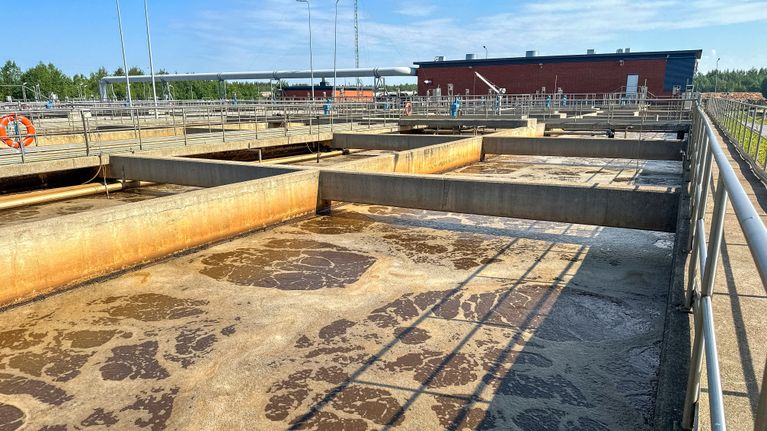
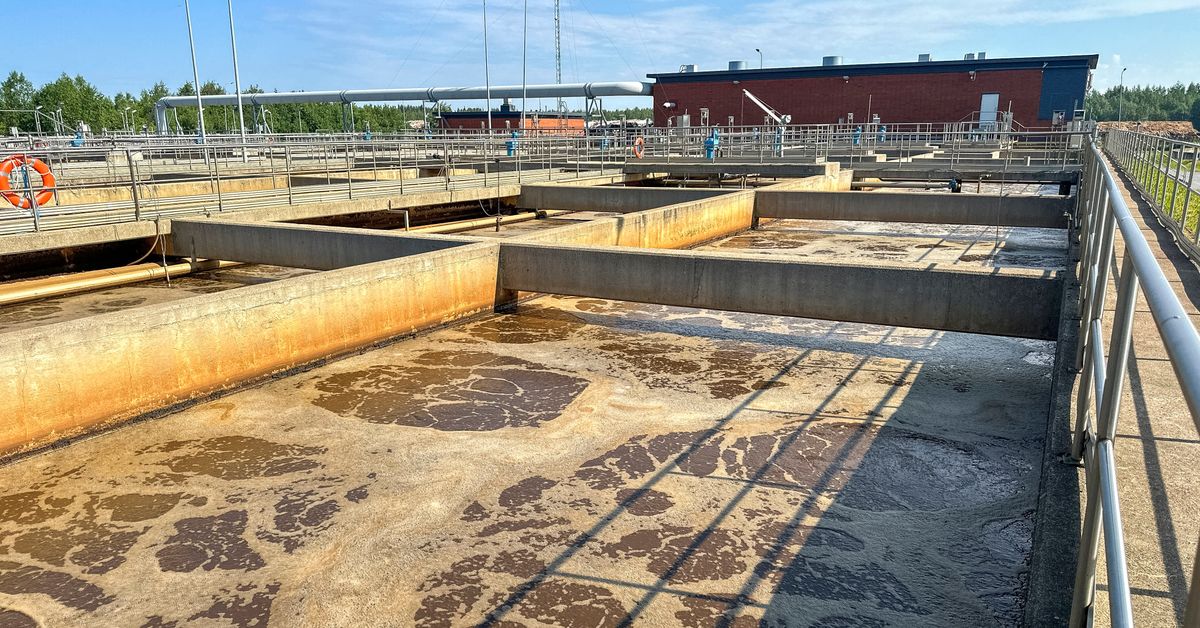
Normally, district heating companies have used heat remaining in wastewater for district heating production, but in the Kavenero project the approach has been reversed. Photo: Rami Moilanen / Yle
Reeta Hytönen
7 July, 19:29
Waste heat from district heating could be harnessed in the future for wastewater treatment. This would save money and reduce emissions.
The matter emerged from a research project at the University of Oulu. According to its results, an energy company's annual operating profit could increase by up to 40 percent, and carbon dioxide emissions could be reduced by about one-third.
University of Oulu professor Mika Ruusunen explains that the innovation is based on heating wastewater. Its temperature should be kept constant throughout the year.
Method reduces emissions
By heating wastewater, nitrogen removal can be made more efficient, says Oulu Water director Juha Hiltula.
– Nitrogen is a nutrient that causes water eutrophication and oxygen depletion.
According to Hiltula, the coming years will require major investments, as the EU's Urban Wastewater Treatment Directive recently came into force. New nitrogen removal requirements are stricter than before.
– To meet those requirements, we will need to make investments here at the treatment plant. By heating wastewater, it might be possible to somewhat reduce investments, Hiltula says.
Project attracts interest
According to University of Oulu professor Mika Ruusunen, investments related to the project, such as heat exchangers and district heating pipelines, would pay for themselves in less than ten years and at shortest even in three years.
Oulu Energy development director Kimmo Alatulkkila explains that the project could significantly improve district heating reception capacity.
– If we could use it to receive, for example, waste heat from server rooms in greater quantities than the district heating network is currently able to handle, that would provide indirect benefits to us.
University of Oulu professor Mika Ruusunen and Oulu Water director Juha Hiltula discussed the project on Yle's Morning programme on Monday, 6 July 2026: