
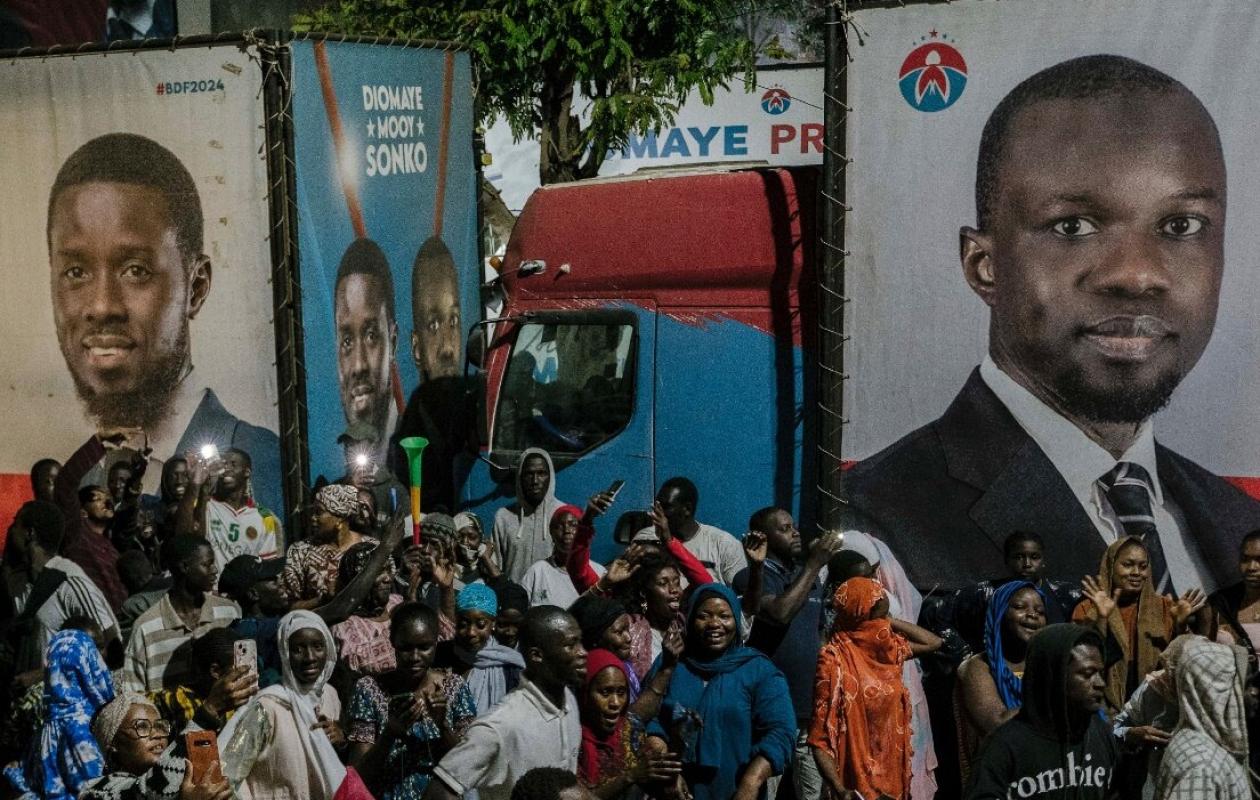
On June 29, 2026, the National Assembly adopted a major constitutional revision that shifts the balance of power, limiting the prerogatives of the President of the Republic and strengthening the role of Parliament and the Prime Minister. But instead of promulgating the text, President Bassirou Diomaye Faye chose to seek direct popular arbitration by resorting to a referendum. A decision far from inconsequential: it allows him to bypass a parliamentary majority now led by his former Prime Minister and current rival, Ousmane Sonko.
By referring the text to the people, the head of state gains several strategic advantages. First, he avoids automatic adoption by the Assembly, where Pastef holds a comfortable majority that would have made the reform definitive upon a second reading. He also benefits from an exceptional national platform to mobilize public opinion and politically weaken his rival, positioning himself as a guardian of the people's interests against parliamentarians deemed too ambitious. Finally, his control of the electoral calendar allows him to set the date of the vote to his advantage.
A rejection of the reform at the ballot box would be a stinging political victory for Bassirou Diomaye Faye. Conversely, adoption of the revised charter would force him to work with a strengthened Parliament and a Prime Minister with expanded powers—a prospect that would considerably reduce his room for maneuver for the remainder of his term.
Points of contention: assets, party leadership, and the premiership
Among the most controversial provisions of this reform are several measures that touch the heart of presidential power. The declaration of assets at the end of the term, to which the president is opposed, raises questions about transparency, especially since the fight against corruption was one of the strong commitments of his 2024 election campaign.
The ban on the head of state directing a political party is another provision that crystallizes tensions. It would neutralize the president by depriving him of his electoral machine and partisan base, forcing him into a more arbitral than political role. Finally, the strengthening of the Prime Minister's powers, whose role would be clarified by an obligation to "consult" with the president in defining national policy, constitutes an unprecedented limitation of presidential prerogatives, reducing the head of state to a coordinating rather than effective directing role.
Completed rupture and political realignment
The rupture between Bassirou Diomaye Faye and Ousmane Sonko, consummated on May 22, 2026 with the latter's dismissal, is only the visible part of a broader realignment of the Senegalese political scene. The president's recent meetings with Emmanuel Macron and figures from Macky Sall's former regime fuel speculation about a shift in alliances.
Some observers see in this an attempt to broaden his electoral base with a view to the 2029 presidential election, even if it means departing from his 2024 promises. This realignment, should it materialize, could allow the president to build an alternative coalition, but it also risks reinforcing a sense of betrayal among his former allies and intensifying polarization of the political landscape.
This referendum is far more than a vote on constitutional articles. It is a test for Senegalese democracy and a revealer of the personal ambitions of the different actors.
Senegalese voters will have to choose between two visions of power, but what is fundamentally at stake is confidence in political discourse. The referendum campaign that looms promises to be one of the most hotly contested in the country's history.