
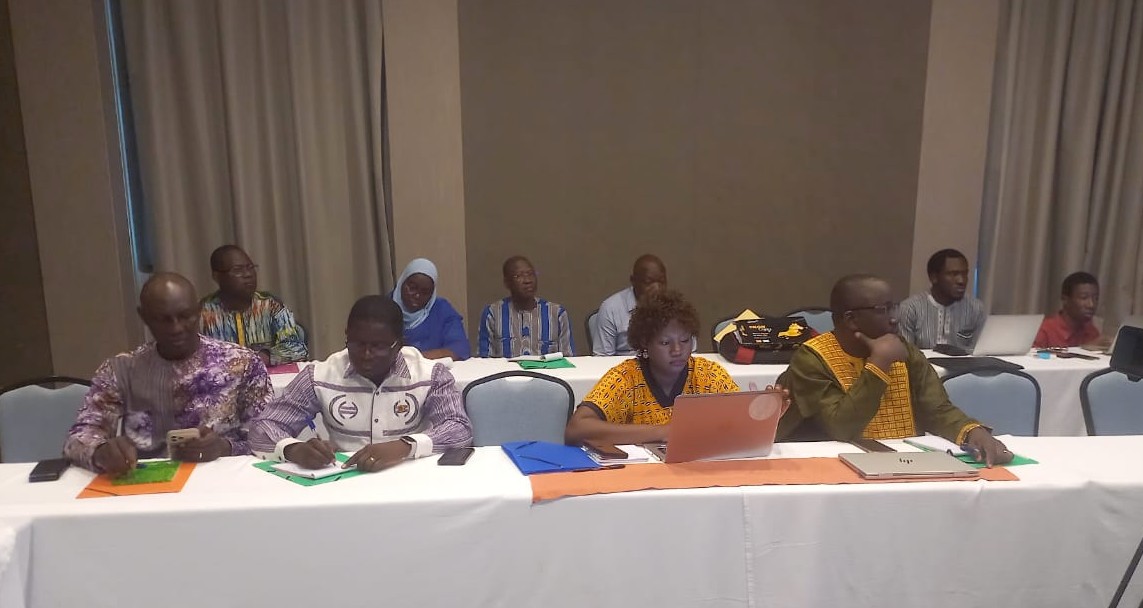
Reducing maternal deaths from postpartum hemorrhage and accelerating access to medical innovations were the main objectives of an advocacy workshop held on Wednesday, July 1, 2026, in Ouagadougou, at the initiative of the Society of Gynaecologists and Obstetricians of Burkina (SOGOB).
The advocacy meeting brought together about thirty Burkinabè deputies. At the opening of proceedings, lawmakers were reminded that postpartum hemorrhage remains the leading cause of maternal mortality in Burkina Faso, accounting for nearly 30% of maternal deaths recorded in the country. Despite progress made over the past two decades, with a reduction of approximately one-third in the maternal mortality ratio, Burkina Faso still records around 198 deaths per 100,000 live births. A level that remains far from the target of the Sustainable Development Goals (SDGs), which aim to reduce this rate to fewer than 70 deaths per 100,000 live births by 2030.
Globally, the situation remains concerning. Nearly 45,000 women die each year from postpartum hemorrhage, yet a large proportion of these deaths could be prevented through effective interventions delivered in time.
Faced with this reality, the organizers centred discussions on concrete solutions and medical innovations, among which heat-stable carbetocin holds a central place.
This molecule, presented as a major advance in preventing postpartum hemorrhage, differs from oxytocin in its stability at room temperature, without the need for continuous cold chain maintenance. An advantage particularly important in a context where several health facilities in the country, especially in remote areas or those affected by insecurity, face significant logistical constraints. According to experts, this innovation could significantly improve obstetric care in Burkina Faso, provided it is integrated into national health policies and made genuinely accessible in the field.
Beyond scientific innovation, discussions emphasized the need to translate these advances into concrete measures, notably the inclusion of heat-stable carbetocin on the national list of essential medicines, its integration into care protocols, and the allocation of specific budgetary resources for its availability in health districts.
Deputies were called upon to play a central role in this process. Deputy Esther Bamouni Kansono, coordinator of the network of Burkinabè parliamentarians on health, population and development, stressed that "no woman should die giving life," believing that this issue speaks strongly to public decision-makers.
She added that parliamentarians, as legislators and overseers of government action, have a responsibility to support ongoing efforts so that maternal mortality becomes a thing of the past in Burkina Faso.
In the same vein, Professor Charlemagne Ouédraogo welcomed the initiative of the parliamentary network and recalled that, despite the progress Burkina Faso has made in maternal and child health, mortality linked to postpartum hemorrhages remains a major challenge.
He indicated that significant efforts have already been made to improve the health of mothers and children, while calling for continued and strengthened action to sustainably reduce these preventable deaths.
During the proceedings, several other solutions recognized for their effectiveness in preventing and managing postpartum hemorrhage were also examined, notably misoprostol, tranexamic acid, objective blood loss assessment kits, and standardized protocols for rapid management.
Through this initiative, SOGOB aims to mobilize decision-makers around a shared ambition: to ensure that no Burkinabè woman loses her life in childbirth when effective medical solutions exist to prevent these deaths.