

Weekly Cabinet Meeting Report
The weekly cabinet council meeting was held on Thursday, July 2, 2026, under the presidency of Captain Ibrahim TRAORÉ, President of Burkina Faso and Head of State. According to Government Spokesperson Minister Pingdwendé Gilbert OUÉDRAOGO, the council examined several matters and adopted important decisions for the smooth running of the nation and the full development of Burkinabè citizens, in line with the vision of the Popular Progressive Revolution.
Work Hours and Continuous Workday Regulations
On behalf of the Ministry of Public Servants, the council adopted two decrees concerning work hours in public sector administrations and the conditions and procedures for establishing continuous workdays in public and private sector administrations in Burkina Faso.
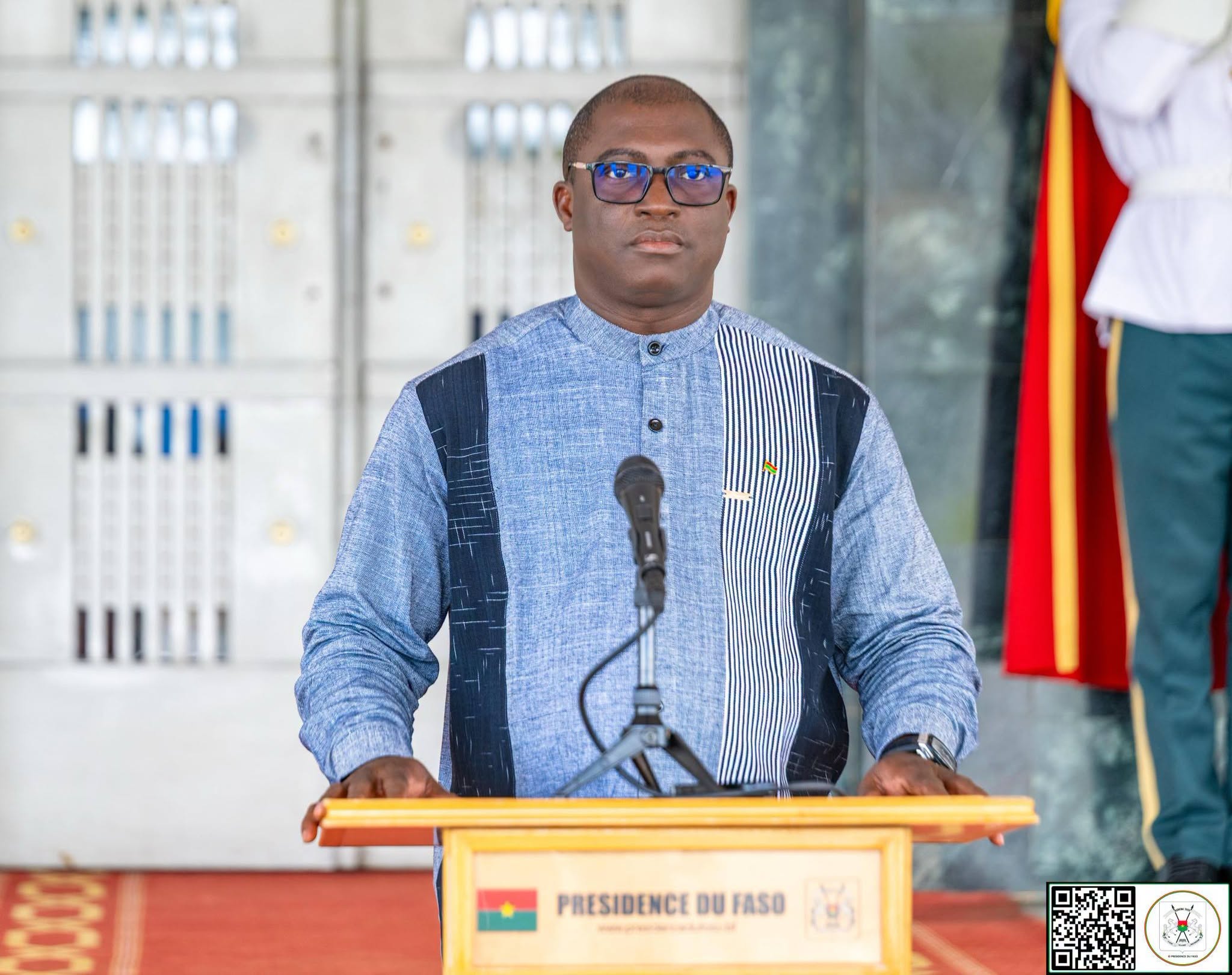
According to Minister of Public Servants Captain Mathias TRAORÉ, "the government reviewed texts from 2015 and 2017 to correct regulatory gaps observed in the implementation of the continuous workday."
The first decree clarifies work hours in public administration without changing them. These hours are set from 7:30 a.m. to 12:30 p.m. and 1:00 p.m. to 4:00 p.m. Monday through Thursday, and from 7:30 a.m. to 12:30 p.m. then 1:30 p.m. to 4:30 p.m. on Friday. The second decree establishes that the continuous workday, linked to certain events and previously aimed at the private sector, now clearly applies to both sectors (public and private), setting this day from 7:30 a.m. to 2:00 p.m.
CIM-SAHEL: Countering Cement Price Speculation
Facing an infrastructure boom and strong demand for construction materials, particularly cement, the cabinet council approved the creation and adoption of bylaws for CIM-SAHEL, a mixed-economy company with majority public participation, according to the Minister of Industry, Captain Serge Gnaniodem PODA.
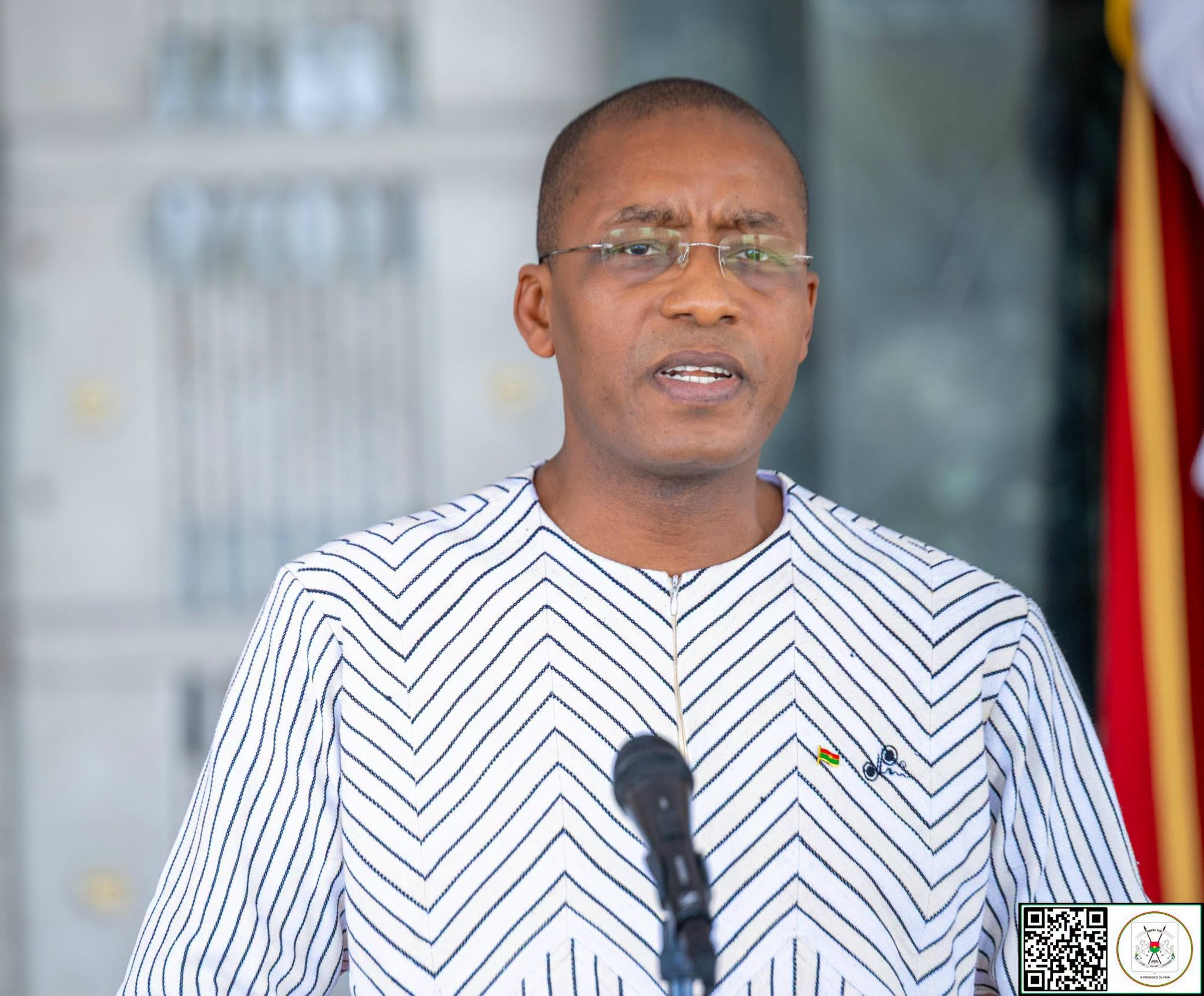
To regulate the sector and protect consumers, the state has decided to create CIM-SAHEL with capital of 5 billion CFA francs, held 60 percent by the state and 40 percent by private partners. According to Minister PODA, this aims to guarantee cement availability across the entire territory, break price speculation by imposing reasonable costs, and support the accelerated pace of public and private infrastructure projects.
Humanitarian Aid: State Sets Rules and Protects Dignity
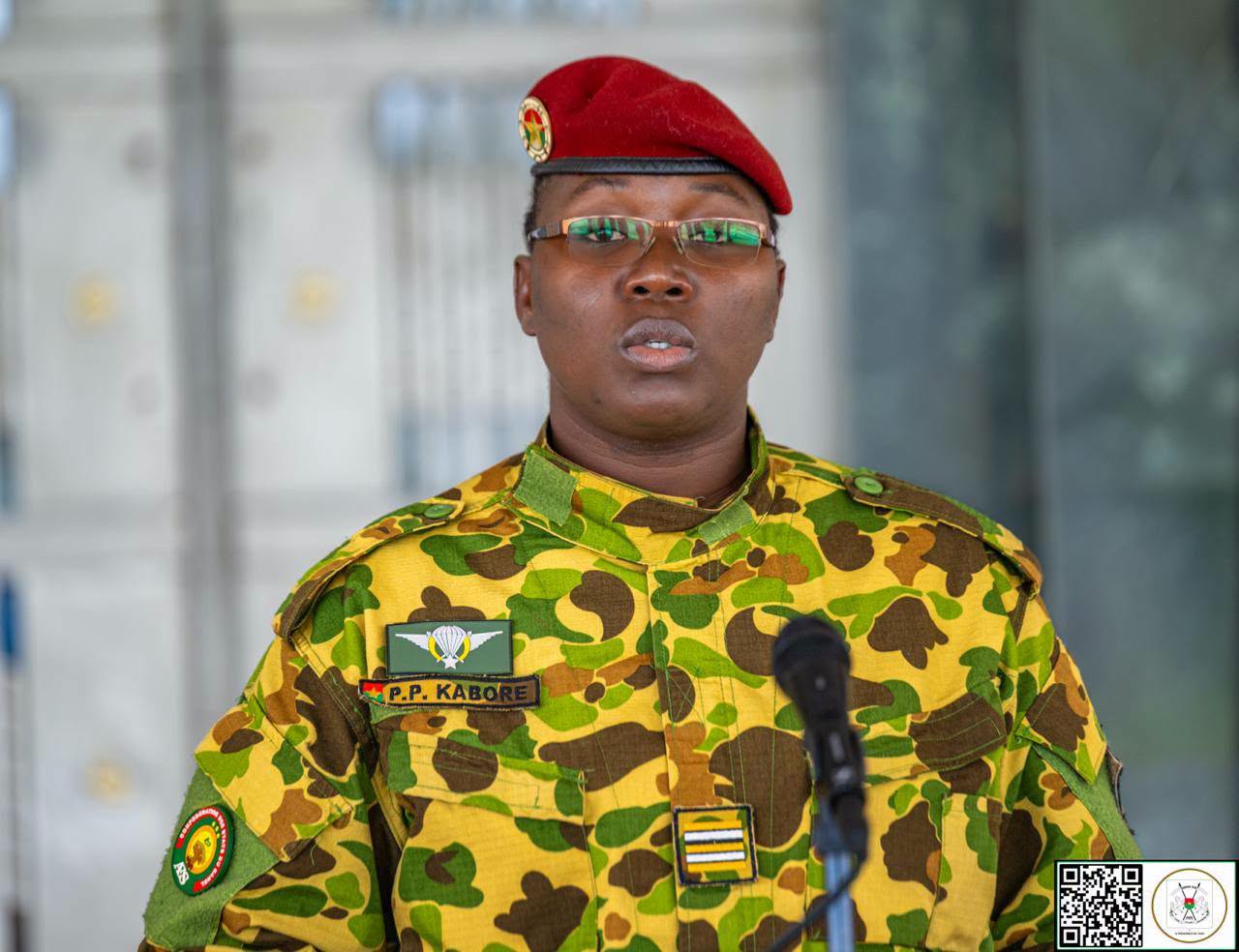
On behalf of the Ministry of Family and Solidarity, the council adopted a decree regulating humanitarian interventions in Burkina Faso. The new decree now requires accreditation for humanitarian organizations, which will allow the state "to have particular oversight of their distribution across the national territory and especially their zones of intervention," declared Minister of Family and Solidarity Lieutenant-Colonel Passowendé Pélagie KABORÉ.
Furthermore, 60 percent of funding must be directed toward early recovery and empowerment to "reduce vulnerable persons' dependency on prolonged aid and assistance." The new decree now prohibits displaying images of vulnerable persons alongside donated goods. The decree also establishes the principle of local purchasing in acquiring donations for vulnerable persons.
Birth of the Burkina Faso Technological Academy
On behalf of the Presidency of Burkina Faso, the council adopted a decree creating the Burkina Faso Technological Academy, an elite institution reporting directly to the Presidency of Burkina Faso due to its highly strategic character. According to Government Spokesperson Minister Pingdwendé Gilbert OUÉDRAOGO, Burkina Faso no longer wants to train only theoreticians, but also builders who "know how to use their intelligence and their hands to design, create, manufacture and thus support the industrialization momentum underway."
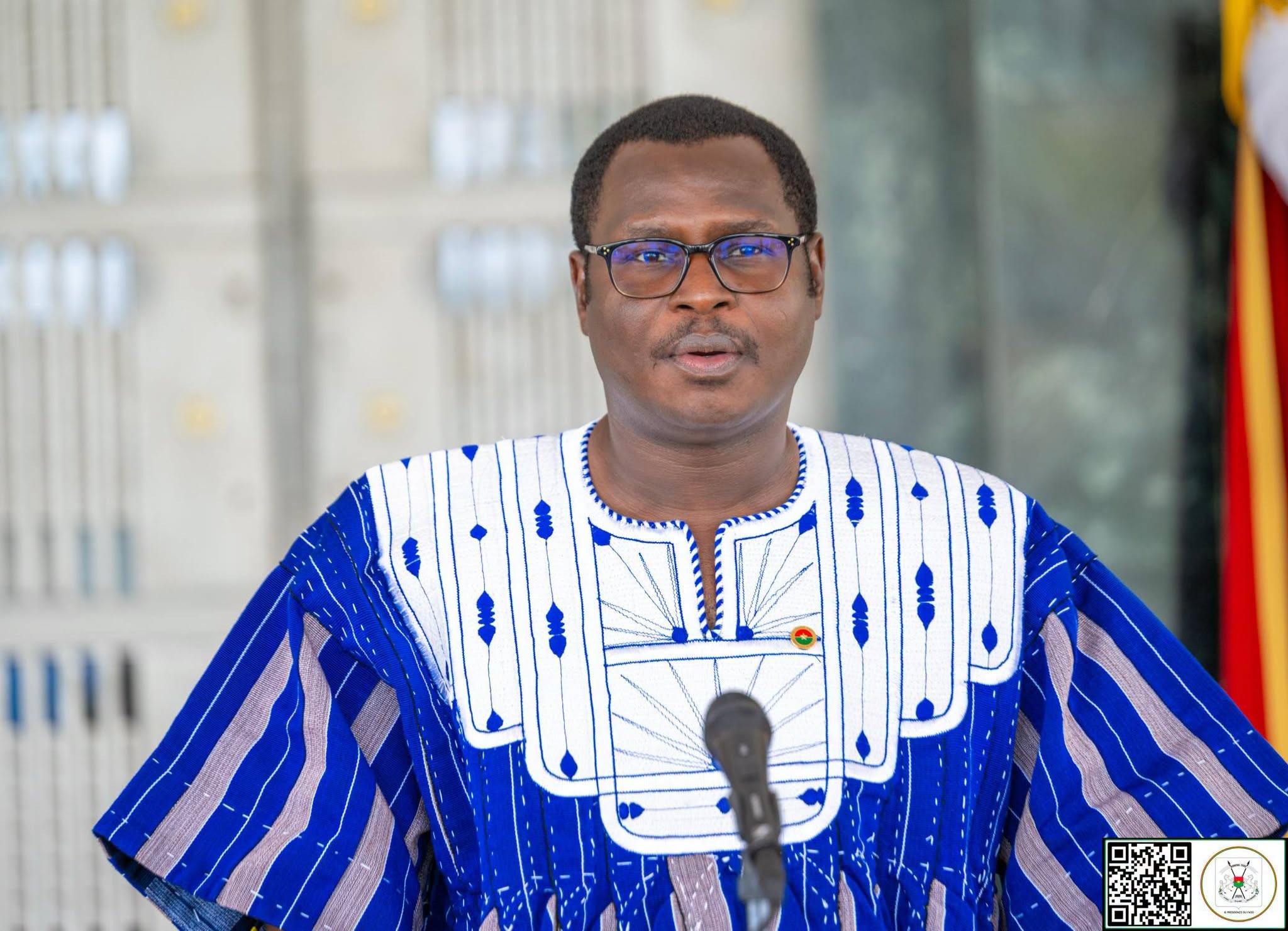
The facility, whose construction began in December 2025, is in the final stages and is preparing to welcome its first cohorts in highly specialized fields such as metallurgy, nuclear energy, aeronautics, cybersecurity, and mining.
Presidency Communication Directorate