
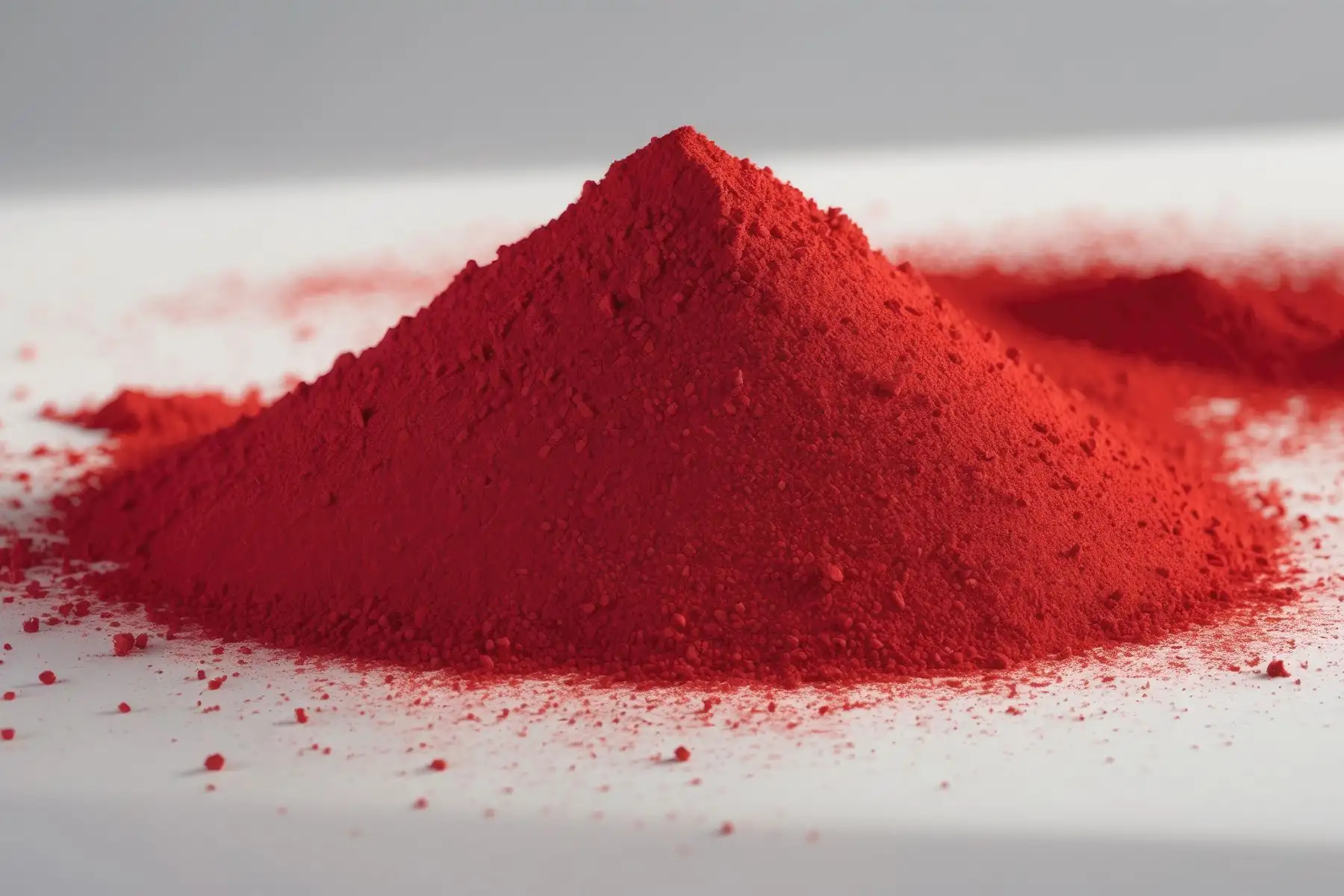
Peru's Cochineal Carmine Market Leadership
The Ministry of Agricultural Development and Irrigation (Midagri), through Agromercado, presented a Commercial Profile of Cochineal Carmine, a study confirming Peru's leadership in the global market for this natural dye, accounting for between 70% and 80% of global supply and registering exports worth $339.35 million in 2025.
The study indicates that international demand will continue to expand driven by the substitution of synthetic dyes and consumer preference for natural ingredients. In this context, the global carmine market reached $18.521 billion in 2025 and could exceed $29.570 billion by 2033, with an annual growth rate of 6.2%.
Expanding Market
One of the main factors driving this trend is the advancement of regulations restricting the use of synthetic dyes. For example, the FDA's prohibition of Red No. 3 dye (2025) in the United States and similar measures in other markets strengthen demand for carminic acid, one of the most widely used natural pigments by the food, cosmetic, and pharmaceutical industries.
The research also highlights the growing weight of high-value-added products within the supply. In 2025, pure carminic acid recorded an average price of $533.65 per kilogram, more than six times higher than the value of dried cochineal, establishing itself as the highest-profit segment of the chain.
China is also emerging as one of the most dynamic markets, with annual growth rates exceeding 50% in demand for cochineal and derivatives.
Export Competitiveness
The analysis shows a transformation of the Peruvian industry toward higher-processing and higher-purity products, which has made it possible to increase the value of exports beyond the growth in shipped volumes.
Denmark, Brazil, and the United States remain the main export destinations, while Asia is gaining share as a strategic market for the expansion of Peruvian supply.
In terms of production, Arequipa concentrates mechanized cochineal production, while Ayacucho, Huancavelica, Apurímac, and Cusco stand out for wild harvesting. Together, this productive chain sustains the economy of more than 50,000 producer families.
The Cochineal Carmine Commercial Profile provides strategic information on consumption trends, destination markets, and business opportunities, contributing to strengthening competitiveness and the development of an exportable supply with greater added value.