
Ethnic Unity and Progress Promotion Law Takes Effect in China
Entered into force today, July 1, the new Ethnic Unity and Progress Promotion Law transforms policies already tested against ethnic minorities into legal obligations. The regulation strengthens the link between national identity, state security, and the role of the Party, extending its reach beyond China's borders.
01/07/2026
With the entry into force of the Ethnic Unity and Progress Promotion Law, China's leadership has taken another step in constructing the political model promoted by leader Xi Jinping in recent years. The law prohibits acts that "undermine ethnic unity" or fuel divisions among the 56 officially recognized ethnic groups, while simultaneously imposing new obligations on schools, public administrations, cultural institutions, and families to promote a national identity founded on a common language, loyalty to the Communist Party, and a sense of belonging to the "community of the Chinese nation."
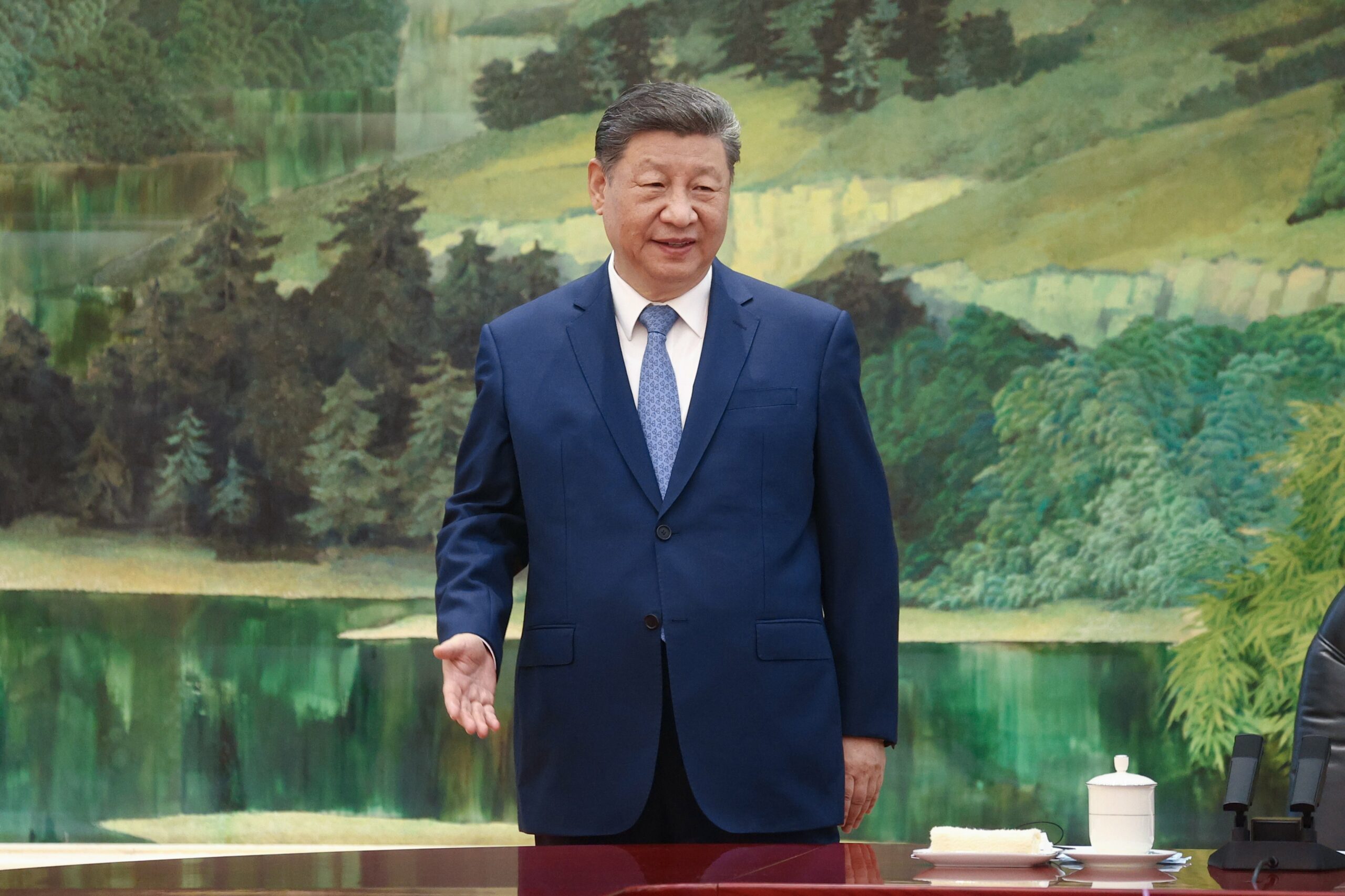
In a speech delivered on the occasion of the 105th anniversary of the Communist Party's founding, Xi confirmed the centrality of the new regulation, inviting all Party members to strengthen unity among ethnic groups. The Chinese leader's call suggests that the law represents one piece of a broader political strategy.
Many of the instruments provided by the regulation are not new. In recent years, Beijing has already limited the use of minority languages in local school systems, tightened control over religious institutions, and promoted greater integration of areas inhabited by Tibetans, Uyghurs, and other communities. The novelty instead lies in their codification within a national law that transforms political directives and administrative practices into a stable, definitive, and lasting legal framework.
The text also expands the number of actors called upon to participate in the construction of national identity. The teaching of Mandarin becomes the priority reference in schools; school programs must contribute to forging a sense of belonging to the Chinese nation; parents are called upon to educate their children in love for the Party and the Country; museums, libraries, and other cultural institutions must promote national history and prosperity, while local authorities are invited to encourage ethnic integration also through housing policies.
Taken together, these provisions outline a conception of governance that goes beyond the management of minorities. The construction of national identity is distributed across the entire state apparatus, involving education, culture, administration, and social planning. The objective does not appear limited to the protection of public order, but to the production of a shared identity defined by the Party as an element of political stability.
It is at this juncture that the law fits into the broader evolution of the security system promoted by Xi Jinping since his rise to power in 2012. Over the years, the notion of national security has been progressively expanded to encompass economic, technological, cultural, and ideological domains. The new regulation appears to add another level: ethnic cohesion and national identity themselves become components of state security, further reducing the distinction between cultural policy and the protection of national order.
This approach also emerges from the wording of provisions dedicated to activities conducted outside China. The law provides that organizations and individuals abroad may be held responsible if accused of compromising ethnic unity or fostering divisions. The wording remains broad and leaves open questions about how it will be applied, but introduces an element destined to attract attention well beyond China's borders.
The international dimension of the law emerged within the first hours of its entry into force. Taiwan condemned the measure, arguing that it could expand Beijing's legal pressure tools against foreign and Taiwanese citizens. Taipei's Foreign Ministry warned that, given the breadth of the formulations contained in the regulation, citizens of third countries could also become subject to proceedings if their statements or activities were deemed contrary to the ethnic unity of China. Taipei's Mainland Affairs Council further argued that the law could provide Beijing with an additional legal basis for pursuing not only policies toward Tibet and Xinjiang, but also international initiatives or positions considered favorable to Taiwan.
Experts and human rights organizations believe that this provision could have a deterrent effect on researchers, journalists, activists, and diaspora communities working on Chinese policies toward Tibet, Xinjiang, or other non-Han majority regions. Some experts from the United Nations have also expressed concern, arguing that the law could affect the linguistic, cultural, and religious autonomy of minorities and open the door to forms of transnational repression.
Beijing rejects these criticisms. Chinese authorities argue that the regulation protects the rights of all ethnic groups, does not restrict the use of minority languages, and responds to the need to preserve national unity. According to Vice Minister of Justice Hu Weilie, pursuing activities that undermine ethnic cohesion falls within every state's right to defend its sovereignty and security. But viewed from outside, the law reflects the well-known transformation of the state under Xi Jinping: national identity becomes a legal category and tool of governance, with implications that extend beyond the borders of the People's Republic.